
What is the noise level of a ball mill?
As a supplier of ball mills, I often get asked about the noise levels associated with these powerful machines. Understanding the noise level of a ball mill is crucial for several reasons, including workplace safety, environmental compliance, and the overall user experience. In this blog post, I'll delve into the factors that influence the noise level of a ball mill, typical noise levels you can expect, and ways to mitigate excessive noise.
Factors Affecting the Noise Level of a Ball Mill
Several factors contribute to the noise generated by a ball mill. Let's take a closer look at each of these factors:
-
Type of Ball Mill: Different types of ball mills, such as the Vertical Ball Mill and Horizontal Attritor Ball Mill, have distinct noise profiles. Vertical ball mills generally operate with a lower noise level compared to horizontal attritor ball mills. This is because the vertical design allows for a more compact and stable operation, reducing the vibrations and noise generated during the grinding process.
-
Operating Speed: The speed at which the ball mill operates has a significant impact on the noise level. Higher operating speeds typically result in increased noise levels as the grinding media collide with each other and the mill walls more vigorously. It's important to find the right balance between operating speed and noise level to achieve optimal grinding efficiency without causing excessive noise pollution.
-
Grinding Media and Material: The type and size of the grinding media, as well as the material being ground, can also affect the noise level. Harder grinding media and materials tend to generate more noise as they require more force to break down. Additionally, the shape and density of the grinding media can influence the noise level. For example, spherical grinding media may produce less noise compared to irregularly shaped media.
-
Mill Design and Construction: The design and construction of the ball mill play a crucial role in determining its noise level. A well-designed mill with proper insulation and vibration dampening features can significantly reduce noise emissions. Additionally, the quality of the materials used in the construction of the mill can also impact the noise level. High-quality materials that are more resistant to wear and tear can help minimize noise generation over time.
-
Maintenance and Lubrication: Regular maintenance and proper lubrication are essential for keeping the ball mill running smoothly and quietly. A poorly maintained mill with worn-out parts or insufficient lubrication can produce excessive noise. It's important to follow the manufacturer's recommended maintenance schedule and use the appropriate lubricants to ensure optimal performance and minimize noise.
Typical Noise Levels of Ball Mills
The noise level of a ball mill can vary depending on the factors mentioned above. In general, ball mills can produce noise levels ranging from 80 to 100 decibels (dB). To put this into perspective, a normal conversation typically has a noise level of around 60 dB, while a lawnmower can produce noise levels of up to 90 dB.
It's important to note that prolonged exposure to noise levels above 85 dB can cause hearing damage. Therefore, it's crucial to take appropriate measures to protect workers from excessive noise when operating a ball mill. This may include providing hearing protection devices, implementing noise control measures, and ensuring proper ventilation in the workplace.
Mitigating Noise Levels in Ball Mills
If you're concerned about the noise level of your ball mill, there are several steps you can take to mitigate it. Here are some effective noise control measures:
-
Insulation and Enclosures: Installing insulation materials and enclosures around the ball mill can help reduce noise emissions. Insulation materials such as acoustic blankets or foam can absorb sound waves and prevent them from spreading. Enclosures can also provide a physical barrier between the mill and the surrounding environment, further reducing noise levels.
-
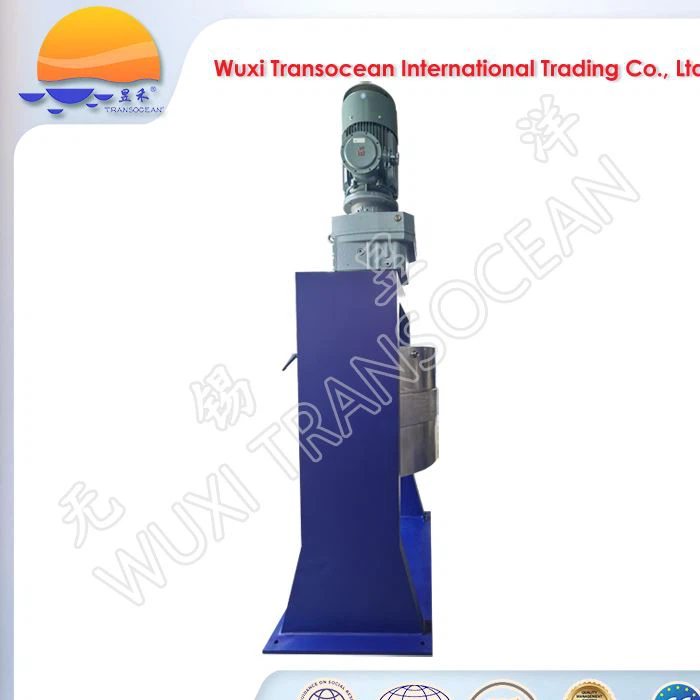
Vibration Dampening: Using vibration dampening materials and techniques can help minimize the vibrations generated by the ball mill, which in turn reduces noise levels. This may include installing rubber pads or springs under the mill to absorb vibrations, or using flexible couplings to connect the mill to the motor.

-
Proper Maintenance: As mentioned earlier, regular maintenance and proper lubrication are essential for keeping the ball mill running smoothly and quietly. By ensuring that all parts are in good working condition and that the mill is properly lubricated, you can minimize noise generation and extend the lifespan of the equipment.
-
Noise-Reducing Design Features: When selecting a ball mill, look for models that are designed with noise-reducing features. This may include features such as a low-noise motor, a sealed housing, or a vibration-dampening base. These design features can help reduce noise emissions without sacrificing performance.
-
Hearing Protection: Providing workers with appropriate hearing protection devices, such as earplugs or earmuffs, is essential for protecting their hearing from excessive noise. Make sure that all workers are trained on how to use the hearing protection devices correctly and that they are encouraged to wear them at all times when operating the ball mill.
Conclusion
In conclusion, the noise level of a ball mill is influenced by several factors, including the type of mill, operating speed, grinding media and material, mill design and construction, and maintenance and lubrication. By understanding these factors and taking appropriate measures to mitigate noise levels, you can ensure a safe and comfortable working environment while achieving optimal grinding efficiency.
If you're in the market for a ball mill and have any questions about noise levels or other aspects of our products, please don't hesitate to contact us. We're a leading supplier of high-quality ball mills, including the Vertical Ball Mill, Horizontal Attritor Ball Mill, and Ink Attritor. Our team of experts is here to help you find the right solution for your specific needs. Contact us today to start the procurement process and discuss how our ball mills can benefit your operations.
References
- ASTM International. (20XX). Standard test method for determining sound power levels of industrial and commercial equipment using sound pressure. ASTM E91-XX.
- OSHA. (20XX). Occupational noise exposure. Retrieved from [OSHA website]
- Manufacturer's manuals for ball mills.


