
In the world of wet grinding equipment, sand mills stand as a cornerstone for industries that demand high - precision particle size reduction and dispersion. As a leading sand mill supplier, I've witnessed firsthand the pivotal role that motors play in the efficient operation of these machines. This blog aims to delve into the multifaceted role of the motor in a sand mill, exploring its functions, impact on performance, and the factors to consider when selecting the right motor.
1. Powering the Grinding Process
At its most fundamental level, the motor is the heart of a sand mill, providing the necessary mechanical energy to drive the grinding mechanism. In a sand mill, the grinding media, typically tiny beads made of materials like zirconia or glass, are agitated within a chamber to break down the particles in the slurry. The motor is responsible for spinning the agitator shaft, which in turn moves the grinding media and creates the shearing and impact forces required for size reduction.
For instance, in our Printing Ink Basket Mill, a powerful motor is essential to ensure that the basket - shaped agitator can rotate at the optimal speed to achieve the desired fineness of the printing ink. The motor's ability to generate sufficient torque is crucial, especially when dealing with high - viscosity materials. If the motor lacks the necessary torque, the agitator may stall, leading to inefficient grinding and potential damage to the equipment.
2. Controlling Speed and Performance
The motor also plays a key role in controlling the speed of the sand mill. Different applications require different grinding speeds to achieve the best results. For example, in the production of pharmaceutical suspensions, a slower grinding speed may be necessary to prevent over - heating and degradation of the active ingredients. On the other hand, in the production of paints and coatings, a higher speed may be required to achieve a finer particle size and better dispersion.
Modern sand mills are often equipped with variable - speed motors, which allow operators to adjust the grinding speed according to the specific requirements of the material being processed. This flexibility is a significant advantage, as it enables the sand mill to be used for a wide range of applications. Our Vertical Seal Sand Mill features a variable - speed motor that can be easily adjusted to meet the diverse needs of our customers, whether they are grinding pigments, dyes, or other materials.
In addition to speed control, the motor's performance can also affect the overall efficiency of the sand mill. A high - quality motor with a smooth and stable operation can reduce energy consumption and minimize wear and tear on the equipment. This not only saves costs in the long run but also ensures a more consistent and reliable grinding process.
3. Heat Dissipation and Cooling
During the grinding process, a significant amount of heat is generated due to the friction between the grinding media, the agitator, and the material being processed. Excessive heat can have a negative impact on the quality of the product, as it can cause chemical reactions, evaporation of solvents, and degradation of the materials. Therefore, effective heat dissipation is crucial for the proper operation of a sand mill.
The motor itself can contribute to the heat generation in the sand mill. However, a well - designed motor with efficient cooling mechanisms can help to manage this heat. Some motors are equipped with built - in cooling fans or water - cooling systems to dissipate the heat and maintain a stable operating temperature. In our Horizontal Agitator Bead Mill, we use motors with advanced cooling technology to ensure that the mill can operate continuously without over - heating, even during long - term and high - intensity grinding processes.
4. Compatibility with the Sand Mill Design
The motor must be compatible with the overall design of the sand mill. Different types of sand mills, such as basket mills, vertical mills, and horizontal mills, have different mechanical requirements, and the motor needs to be selected accordingly. For example, a horizontal sand mill may require a motor with a different power output and torque characteristics compared to a vertical sand mill, due to the differences in the grinding chamber design and the way the grinding media is agitated.
As a sand mill supplier, we carefully select the motors for our products to ensure optimal compatibility. We work closely with motor manufacturers to customize the motors based on the specific design and performance requirements of our sand mills. This ensures that our customers can get a well - integrated and high - performance sand mill system.
5. Factors to Consider When Selecting a Motor for a Sand Mill
When choosing a motor for a sand mill, several factors need to be considered. Firstly, the power rating of the motor is of utmost importance. It should be sufficient to drive the agitator and the grinding media at the required speed and torque, taking into account the viscosity and volume of the material being processed.
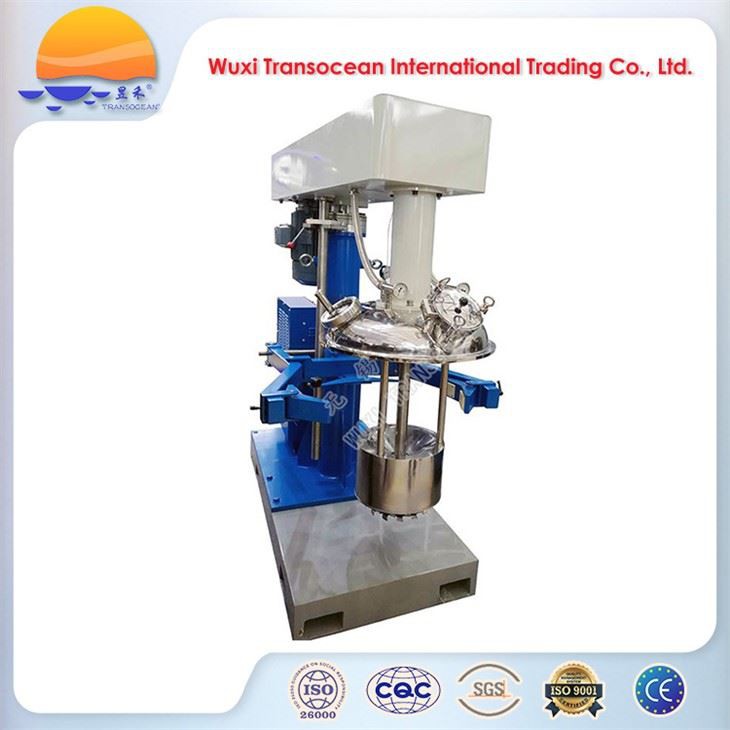

Secondly, the type of motor, such as an AC or DC motor, needs to be considered. AC motors are generally more common and cost - effective, while DC motors offer better speed control and are often used in applications where precise speed regulation is required.
The motor's efficiency is also a crucial factor. A more efficient motor can reduce energy consumption and operating costs. Additionally, the motor's reliability and durability should be considered, as sand mills are often operated continuously in industrial settings.
Finally, the motor's control system should be easy to use and integrate with the overall control system of the sand mill. This allows for seamless operation and monitoring of the grinding process.
Conclusion
In conclusion, the motor plays a vital role in the operation of a sand mill. It powers the grinding process, controls the speed and performance, helps with heat dissipation, and must be compatible with the sand mill design. As a sand mill supplier, we understand the importance of selecting the right motor for our products to ensure the best performance and customer satisfaction.
If you are in the market for a high - quality sand mill or need more information about the role of the motor in a sand mill, please feel free to contact us for a detailed consultation. Our team of experts is ready to assist you in finding the most suitable sand mill solution for your specific needs.
References
- Perry, R. H., & Green, D. W. (1997). Perry's Chemical Engineers' Handbook. McGraw - Hill.
- Svarovsky, L. (1990). Solid - Liquid Separation. Butterworth - Heinemann.


