
Hey there! As a supplier of wet grinding ball mills, I often get asked about the installation process. So, I thought I'd share the ins and outs of getting a wet grinding ball mill up and running.
Pre - installation Preparations
Before you even start unpacking the ball mill, there are a few key things you need to take care of. First off, you need to pick the right location. The area should be flat, well - ventilated, and have enough space around the mill for easy access during operation and maintenance. You don't want to be squeezing in there like a sardine when it's time to do some checks or repairs.
Measure the space carefully to make sure it can accommodate the size of your wet grinding ball mill. Also, check the floor's load - bearing capacity. These machines can be pretty heavy, and you don't want the floor to give way under the weight. If you're not sure about the load - bearing capacity, it's a good idea to consult a structural engineer.

Next, gather all the necessary tools and equipment for the installation. You'll need things like wrenches, hoists, and measuring tools. Make sure everything is in good working condition. It's also a good time to go through the installation manual that came with your ball mill. Familiarize yourself with all the steps and safety precautions.
Unpacking and Inspection
Once you've got the location sorted and the tools ready, it's time to unpack the ball mill. Be careful when opening the packaging to avoid damaging any parts. As you unpack, check each component for any signs of damage or missing parts. If you find anything amiss, contact us right away. We'll do our best to sort it out for you.
Inspect the main body of the ball mill, the grinding media, the motor, and all the other accessories. Look for cracks, dents, or any other visible defects. Make a list of everything you check and note down any issues. This will help us if there are any warranty claims later on.
Foundation Installation
The foundation is the base of your wet grinding ball mill, and it's crucial to get it right. Start by marking the location of the foundation on the floor according to the installation manual. Then, dig the foundation pit. The depth and size of the pit depend on the specifications of your ball mill.
After digging the pit, install the reinforcement bars. These bars will provide additional strength to the foundation. Next, pour the concrete into the pit. Make sure the concrete is of good quality and properly mixed. Use a vibrating tool to remove any air bubbles from the concrete, which can weaken the foundation.
While the concrete is setting, you can start preparing the anchor bolts. These bolts will be used to secure the ball mill to the foundation. Place the anchor bolts in the correct positions in the wet concrete. Once the concrete has fully cured, check the levelness of the foundation using a spirit level. Adjust if necessary.
Installing the Ball Mill
Now comes the exciting part - installing the ball mill on the foundation. Use a hoist to lift the ball mill and carefully place it on the foundation. Align the holes in the ball mill base with the anchor bolts. Make sure the ball mill is perfectly level in both the horizontal and vertical directions. You can use shims to adjust the level if needed.
Once the ball mill is in place, tighten the nuts on the anchor bolts. But don't over - tighten them at this stage. You'll need to make some final adjustments later. Connect the motor to the ball mill. Follow the wiring diagram in the installation manual to ensure proper electrical connections. Make sure all the wires are securely fastened and insulated to prevent any electrical hazards.
Adding Grinding Media and Accessories
After the ball mill is installed and connected to the motor, it's time to add the grinding media. The type and amount of grinding media depend on the material you'll be grinding and the size of the ball mill. You can choose from different materials like steel balls, ceramic balls, or other types of grinding media.
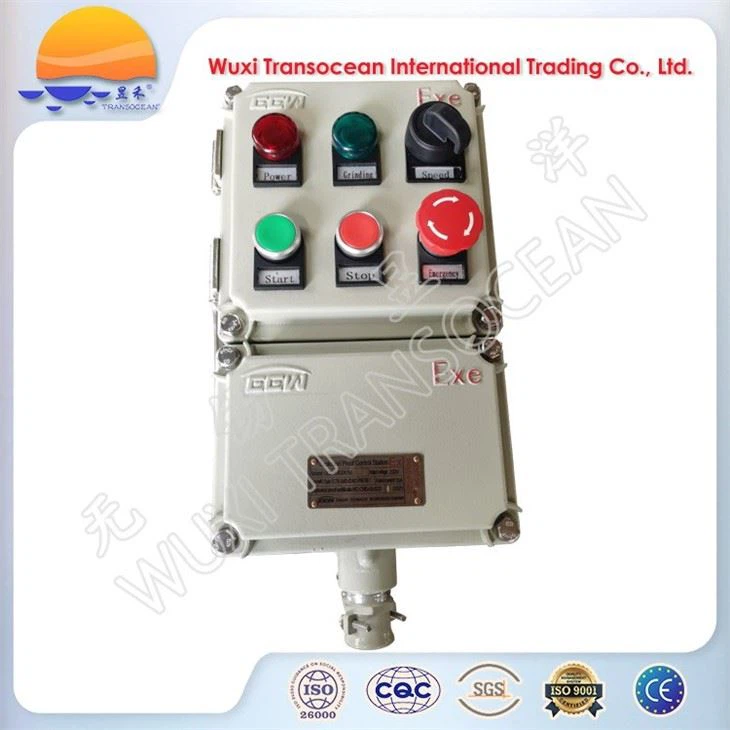
Add the grinding media gradually, following the recommended loading sequence. This will help ensure even grinding and prevent any damage to the mill. Also, install any accessories like feeders, discharge devices, and control panels. These accessories will enhance the functionality of your wet grinding ball mill.
Testing and Commissioning
Before you start using the ball mill for production, you need to test it. First, perform a visual inspection of all the connections and components one last time. Make sure everything is in place and there are no loose parts. Then, turn on the motor and let the ball mill run idle for a few minutes. Listen for any unusual noises or vibrations. If you hear anything strange, stop the mill immediately and check for the cause.
After the idle run, start feeding a small amount of material into the ball mill. Monitor the performance of the mill closely. Check the grinding efficiency, the discharge particle size, and the power consumption. Make any necessary adjustments to the operating parameters like the speed of the mill, the feed rate, and the amount of grinding media.
Once you're satisfied with the performance of the ball mill during the test run, you can start full - scale production. But keep an eye on it in the initial days to ensure everything is running smoothly.
Types of Wet Grinding Ball Mills
We offer different types of wet grinding ball mills to suit various applications. For example, our Vertical Ball Mill is great for applications where space is limited. It has a compact design and can provide efficient grinding.
The Ink Attritor is specifically designed for grinding inks. It can achieve a very fine particle size, which is essential for high - quality ink production.
Our Horizontal Attritor Ball Mill is suitable for large - scale production. It has a high grinding capacity and can handle a wide range of materials.
Wrapping Up
Installing a wet grinding ball mill might seem like a daunting task, but if you follow the steps carefully and take your time, it can be done smoothly. We're here to support you every step of the way. If you have any questions during the installation process or need further advice on operating the ball mill, don't hesitate to reach out to us.
Whether you're in the ink industry, mining, or any other field that requires wet grinding, our ball mills can meet your needs. If you're interested in purchasing a wet grinding ball mill or have any questions about our products, feel free to contact us. We'll be more than happy to discuss your requirements and provide you with the best solutions.
References
- Manufacturer's Installation Manual for Wet Grinding Ball Mills
- Industry Standards for Ball Mill Installation and Operation


