
Hey there! As a supplier of Vertical Ball Mills, I often get asked about the role of the motor in these machines. So, I thought I'd take a few minutes to break it down for you.
First off, let's talk about what a vertical ball mill is. It's a type of grinder used to grind materials into extremely fine powder for use in mineral dressing processes, paints, pyrotechnics, ceramics, and selective laser sintering. The vertical design offers several advantages over horizontal mills, like better energy efficiency and more uniform grinding.
Now, onto the motor. The motor is the heart of the vertical ball mill. Without it, the mill simply wouldn't work. It provides the power needed to rotate the mill's drum, which is where the grinding action takes place.
Power and Torque
The motor's main job is to supply the necessary power and torque to rotate the drum at the right speed. Power is basically the rate at which work is done, and in the case of a vertical ball mill, it determines how quickly the drum can spin. Torque, on the other hand, is the force that causes an object to rotate. It's what allows the motor to overcome the resistance of the drum and the materials inside it.
The size and power of the motor depend on several factors, such as the size of the mill, the type of material being ground, and the desired grinding fineness. For example, if you're grinding a hard material like granite, you'll need a more powerful motor than if you're grinding a softer material like limestone.
Speed Control
Another important role of the motor is speed control. Different materials require different grinding speeds to achieve the best results. The motor allows you to adjust the speed of the drum to match the specific requirements of the material being processed.
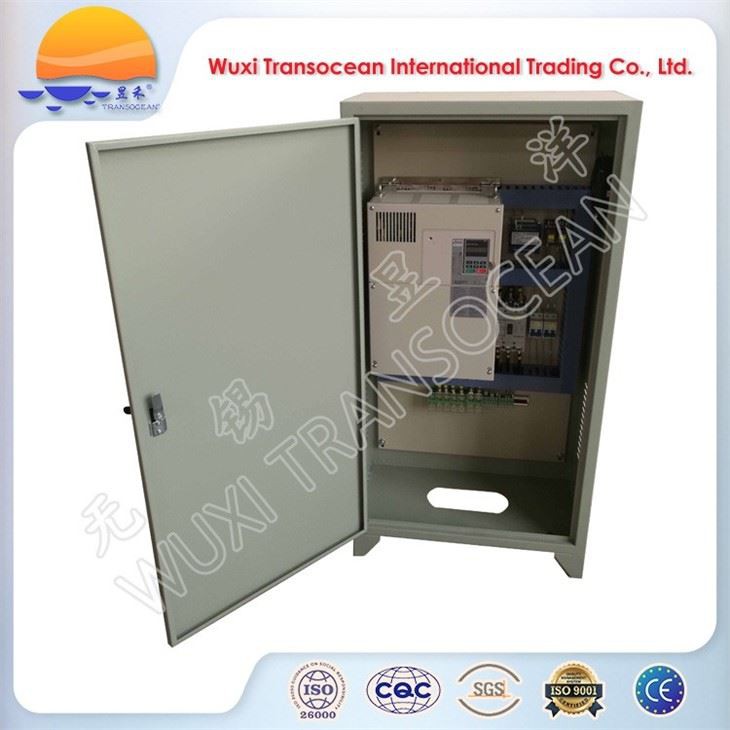
Some vertical ball mills use a variable frequency drive (VFD) to control the motor speed. A VFD is an electronic device that can vary the frequency and voltage supplied to the motor, allowing for precise speed control. This is especially useful when you need to grind a wide range of materials with different properties.
Starting and Stopping
The motor also plays a crucial role in starting and stopping the vertical ball mill. When you turn on the mill, the motor needs to provide enough torque to overcome the inertia of the drum and get it spinning. This is known as the starting torque.
Once the drum is up to speed, the motor needs to maintain a constant speed to ensure consistent grinding. When you're ready to stop the mill, the motor needs to be able to quickly decelerate the drum without causing any damage to the machine.
Energy Efficiency
In today's world, energy efficiency is a major concern for many industries. The motor in a vertical ball mill can have a significant impact on the overall energy consumption of the machine.
Modern motors are designed to be more energy-efficient than older models. They use advanced technologies, such as high-efficiency motor designs and variable frequency drives, to reduce energy waste and lower operating costs.
As a supplier of vertical ball mills, we offer a range of motors with different energy efficiency ratings to meet the needs of our customers. We can help you choose the right motor for your application based on your energy requirements and budget.
Maintenance and Reliability
Like any other piece of equipment, the motor in a vertical ball mill requires regular maintenance to ensure its reliability and longevity. This includes tasks such as lubrication, inspection, and cleaning.
We provide our customers with detailed maintenance instructions and support to help them keep their motors in good working condition. We also offer a range of spare parts and replacement motors to minimize downtime in case of a breakdown.
Different Types of Ball Mills and Their Motors
There are different types of ball mills, and each may have slightly different motor requirements. For instance, an Ink Attritor is a specialized type of ball mill used for grinding inks. The motor for an ink attritor needs to be able to provide precise speed control to ensure the quality of the ink.
A Horizontal Attritor Ball Mill has a different design compared to a vertical ball mill. However, the motor still serves the same basic functions of providing power, torque, and speed control.
A Wet Grinding Ball Mill is used for grinding materials in a wet environment. The motor for a wet grinding ball mill needs to be protected against moisture and corrosion to ensure its reliability.
Conclusion
In conclusion, the motor is a vital component of a vertical ball mill. It provides the power, torque, and speed control needed to rotate the drum and grind the materials. It also plays a crucial role in starting and stopping the mill, and it can have a significant impact on the energy efficiency and reliability of the machine.
If you're in the market for a vertical ball mill or need to replace the motor in your existing mill, we're here to help. We have a wide range of vertical ball mills and motors to choose from, and our team of experts can provide you with the advice and support you need to make the right decision.
Whether you're a small business or a large industrial operation, we can offer you a solution that meets your specific needs and budget. So, don't hesitate to get in touch with us to discuss your requirements and start the procurement process. We're looking forward to working with you!

References
- Ball Mill Handbook, Industry Press, 2020
- Motor Technology for Industrial Applications, Academic Publishing, 2019


