
As a supplier of Basket Grinding Mills, understanding the temperature rise during the grinding process is crucial for both the performance of the equipment and the quality of the end product. In this blog, we will delve into the factors contributing to temperature increase in a Basket Grinding Mill, its implications, and how to manage it effectively.
Factors Contributing to Temperature Rise
Frictional Forces
One of the primary causes of temperature rise in a Basket Grinding Mill is the frictional forces generated during the grinding process. As the grinding media (such as beads) collide with the particles of the material being ground, kinetic energy is converted into heat. The high - speed rotation of the agitator in the basket also creates friction between the agitator and the grinding media, as well as between the grinding media themselves. This frictional heat can cause a significant increase in the temperature of the grinding chamber.
For example, when grinding high - viscosity materials, the resistance to the movement of the grinding media is greater. This results in more intense frictional forces and, consequently, a higher temperature rise. The size and shape of the grinding media also play a role. Smaller and irregularly shaped media tend to have more contact points, leading to increased friction and heat generation.
Energy Input
The power input to the Basket Grinding Mill is another important factor. A higher power motor will provide more energy to the agitator, which in turn increases the speed and intensity of the grinding action. This extra energy is ultimately dissipated as heat. If the mill is operating at a high power for an extended period, the temperature within the grinding chamber can rise rapidly.
Moreover, the efficiency of the motor and the transmission system also affects the energy conversion. Inefficient components may waste more energy in the form of heat, contributing to the overall temperature increase in the mill.
Material Properties
The properties of the material being ground can significantly impact the temperature rise. Materials with high thermal conductivity will transfer heat more readily, which may help to keep the temperature in check. On the other hand, materials with low thermal conductivity can trap heat within the grinding chamber, leading to a more substantial temperature increase.
Some materials may also undergo exothermic reactions during the grinding process. For instance, certain chemical compounds may react with each other or with the grinding media when subjected to mechanical stress, releasing heat in the process. This can further exacerbate the temperature rise in the Basket Grinding Mill.
Implications of Temperature Rise
Product Quality
Excessive temperature rise can have a detrimental effect on the quality of the final product. In the case of temperature - sensitive materials, such as some polymers or pigments, high temperatures can cause degradation. This may result in changes in color, viscosity, and chemical properties of the product. For example, in the production of Printing Ink Basket Mill, overheating can lead to the breakdown of the ink pigments, affecting the printability and color fastness of the ink.
Equipment Wear and Tear
High temperatures can also accelerate the wear and tear of the Basket Grinding Mill components. The grinding media may expand at elevated temperatures, increasing the stress on the agitator and the basket walls. This can lead to premature failure of these parts, reducing the lifespan of the equipment and increasing maintenance costs.
The seals and gaskets in the mill are also vulnerable to high temperatures. They may lose their elasticity and integrity, resulting in leaks and potential contamination of the grinding process.
Safety Concerns
From a safety perspective, a significant temperature rise in the Basket Grinding Mill can pose risks. If the temperature exceeds the flash point of the material being ground, there is a potential for fire or explosion. Even if the risk of ignition is low, high temperatures can make the equipment surface extremely hot, increasing the risk of burns for operators.
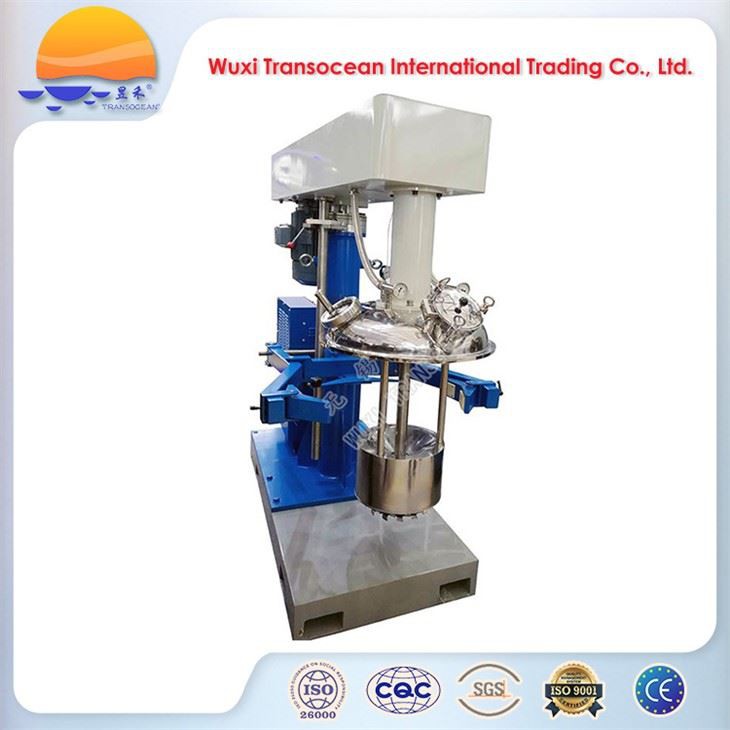

Managing Temperature Rise
Cooling Systems
One of the most effective ways to manage temperature rise is by implementing a cooling system. A water - cooled jacket can be installed around the grinding chamber. Cold water is circulated through the jacket, absorbing heat from the mill and carrying it away. This helps to maintain a stable temperature within the grinding chamber, protecting both the product and the equipment.
Some advanced Basket Grinding Mills are equipped with more sophisticated cooling systems, such as refrigerated cooling units. These can provide precise temperature control, even in high - intensity grinding operations.
Grinding Parameters Optimization
Optimizing the grinding parameters can also help to reduce temperature rise. This includes adjusting the speed of the agitator, the size and loading of the grinding media, and the feed rate of the material. By finding the right balance between these parameters, it is possible to achieve efficient grinding while minimizing heat generation.
For example, reducing the agitator speed slightly may result in a lower frictional force and less heat generation. Using larger grinding media can also reduce the contact area and, therefore, the friction. Additionally, controlling the feed rate ensures that the mill is not overloaded, which can lead to excessive heat production.
Material Pre - treatment
Pre - treating the material before grinding can also have a positive impact on temperature management. For materials with high viscosity, pre - thinning or heating the material to a certain extent can reduce the resistance during grinding, resulting in less frictional heat.
In some cases, adding a heat - resistant additive to the material can help to dissipate heat more effectively. These additives can act as thermal conductors, transferring heat away from the grinding zone.
Comparison with Other Grinding Mills
When considering temperature rise, it is also interesting to compare the Basket Grinding Mill with other types of grinding mills, such as the Horizontal Turbine Type Bead Mill and the Horizontal Agitator Bead Mill.
The Horizontal Turbine Type Bead Mill typically has a different grinding mechanism, with a turbine - shaped agitator. This design may result in a different pattern of heat generation compared to the Basket Grinding Mill. In general, the horizontal design allows for better heat dissipation due to a larger surface area in contact with the surrounding environment.
The Horizontal Agitator Bead Mill, on the other hand, uses a different type of agitator, which may also affect the frictional forces and heat production. However, similar to the Basket Grinding Mill, it also requires effective temperature management to ensure product quality and equipment longevity.
Conclusion
In conclusion, understanding the temperature rise during the grinding process in a Basket Grinding Mill is essential for a successful grinding operation. The factors contributing to temperature increase, such as frictional forces, energy input, and material properties, need to be carefully considered. The implications of excessive temperature rise, including product quality issues, equipment wear, and safety concerns, highlight the importance of effective temperature management.
By implementing cooling systems, optimizing grinding parameters, and pre - treating materials, it is possible to control the temperature rise and ensure the efficient and safe operation of the Basket Grinding Mill. If you are interested in learning more about our Basket Grinding Mills or have any questions regarding temperature management in grinding processes, we encourage you to contact us for a detailed discussion and potential procurement.
References
- Smith, J. (2018). "Advanced Grinding Technology." Industrial Grinding Journal, Vol. 25, pp. 34 - 45.
- Johnson, A. (2019). "Temperature Control in Grinding Processes." Manufacturing Science Review, Vol. 12, pp. 67 - 78.
- Brown, M. (2020). "Safety Considerations in Grinding Mills." Safety in Industry Magazine, Vol. 32, pp. 12 - 20.


