
The cooling liquid flow rate plays a crucial role in the performance of a Vertical Seal Sand Mill. As a supplier of Vertical Seal Sand Mills, I have witnessed firsthand the significant impact that the cooling liquid flow rate can have on various aspects of the mill's operation. In this blog, I will delve into the influence of the cooling liquid flow rate on the performance of a Vertical Seal Sand Mill, exploring both the positive and negative effects.
Temperature Control
One of the primary functions of the cooling liquid in a Vertical Seal Sand Mill is to control the temperature generated during the grinding process. As the grinding media and the material being processed collide and interact, a substantial amount of heat is produced. If this heat is not effectively dissipated, it can lead to a rise in temperature within the mill, which can have several detrimental effects.
A higher cooling liquid flow rate can enhance the heat transfer efficiency, allowing for more rapid removal of heat from the mill. This helps to maintain a lower and more stable temperature within the grinding chamber. When the temperature is kept in check, the properties of the material being processed are less likely to be affected. For example, in the case of heat - sensitive materials, such as certain polymers or pigments, excessive heat can cause degradation, altering their color, viscosity, and other important characteristics. By ensuring an adequate flow rate of the cooling liquid, we can prevent such issues and produce a high - quality end product.
On the other hand, if the cooling liquid flow rate is too low, the heat removal will be insufficient. This can result in overheating of the mill, which may lead to mechanical failures. The seals, bearings, and other components of the mill are designed to operate within a certain temperature range. When the temperature exceeds this range, the seals may lose their integrity, leading to leakage of the grinding media or the processed material. Bearings can also experience increased wear and tear, reducing their lifespan and potentially causing the mill to malfunction.
Grinding Efficiency
The cooling liquid flow rate can also have a direct impact on the grinding efficiency of the Vertical Seal Sand Mill. A proper flow rate helps to maintain the optimal viscosity of the grinding slurry. The grinding media in the mill need to move freely and interact effectively with the material being ground. If the temperature rises due to insufficient cooling, the viscosity of the slurry may decrease, causing the grinding media to move too freely and reducing the contact time between the media and the material. This can result in less effective grinding and a lower quality of the final product.
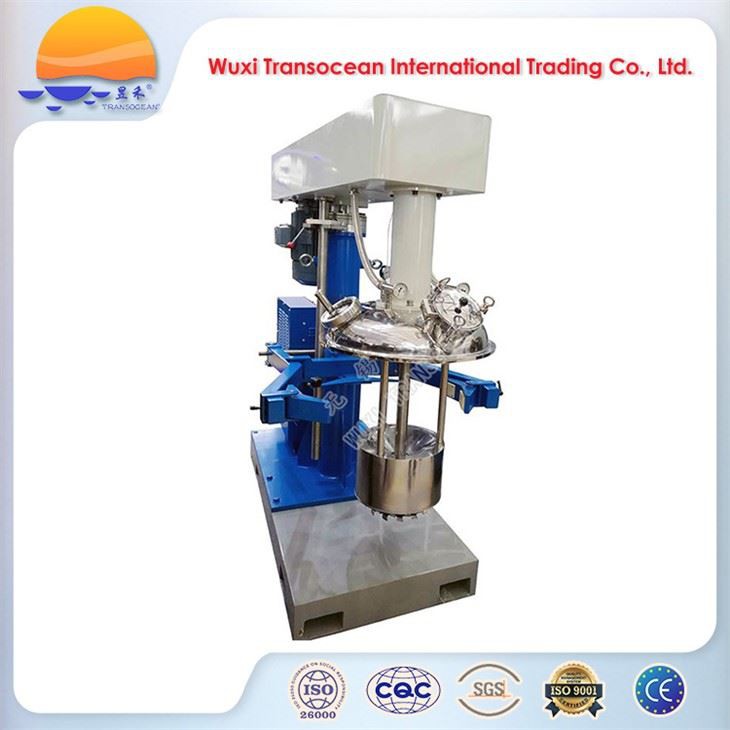
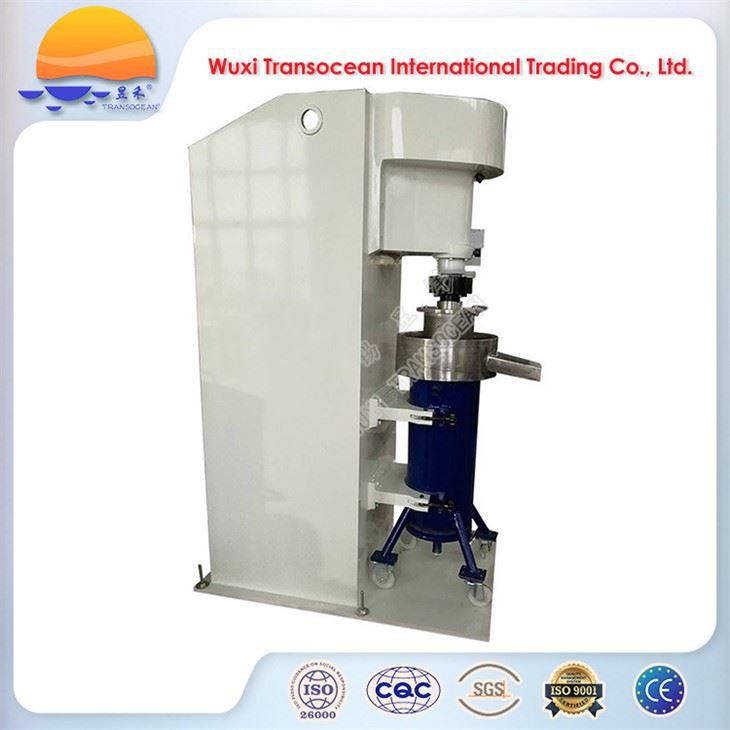
Conversely, an appropriate cooling liquid flow rate keeps the slurry at an ideal viscosity. The grinding media can then work more efficiently, breaking down the particles of the material into smaller sizes. This leads to a finer and more uniform particle size distribution, which is often a key requirement in many industries, such as the paint, ink, and pharmaceutical industries. For instance, in the production of Printing Ink Basket Mill, a fine and uniform particle size is essential for achieving good color intensity and printability.
Wear and Tear of Components
The flow rate of the cooling liquid can also influence the wear and tear of the components of the Vertical Seal Sand Mill. When the mill operates at a high temperature due to low cooling liquid flow, the materials of the components expand. This can cause increased friction between moving parts, such as the agitator and the grinding chamber walls. Over time, this increased friction can lead to accelerated wear of the components, requiring more frequent maintenance and replacement.
In contrast, a sufficient flow rate of the cooling liquid helps to keep the components at a stable temperature. This reduces the thermal expansion and contraction of the materials, minimizing the friction between the parts. As a result, the lifespan of the components is extended, and the overall maintenance cost of the mill is reduced. This is particularly important for expensive components such as the grinding chamber and the agitator, which can be costly to replace.
Energy Consumption
The cooling liquid flow rate can also have an impact on the energy consumption of the Vertical Seal Sand Mill. When the mill overheats due to low cooling liquid flow, the motor has to work harder to maintain the rotation of the agitator and the movement of the grinding media. This is because the increased viscosity and friction within the mill make it more difficult for the motor to drive the system. As a result, the energy consumption of the mill increases, leading to higher operating costs.
By ensuring an appropriate cooling liquid flow rate, the mill can operate more efficiently. The motor can run at a lower power setting, as the friction and resistance within the mill are reduced. This not only saves energy but also reduces the carbon footprint of the production process, which is becoming an increasingly important consideration in today's environmentally conscious industries.
Finding the Optimal Flow Rate
Determining the optimal cooling liquid flow rate for a Vertical Seal Sand Mill is not a one - size - fits - all process. It depends on several factors, including the type and quantity of the material being processed, the size and design of the mill, and the operating conditions.
For example, if the material being processed has a high heat generation rate, a higher flow rate of the cooling liquid may be required. Similarly, larger mills with more grinding media and a larger volume of material will generally need a higher flow rate to maintain effective cooling. In addition, the ambient temperature and humidity can also affect the cooling requirements. In hot and humid environments, more cooling capacity may be needed to achieve the same temperature control.
To find the optimal flow rate, it is often necessary to conduct tests and experiments. By monitoring the temperature, particle size distribution, and other performance indicators of the mill at different flow rates, we can determine the flow rate that provides the best balance between temperature control, grinding efficiency, and energy consumption.
Conclusion
In conclusion, the flow rate of the cooling liquid has a profound influence on the performance of a Vertical Seal Sand Mill. It affects temperature control, grinding efficiency, wear and tear of components, and energy consumption. As a supplier of Vertical Seal Sand Mills, we understand the importance of ensuring an appropriate cooling liquid flow rate for our customers. We provide not only high - quality mills but also technical support to help our customers optimize the operation of their mills.
If you are in the market for a Vertical Seal Sand Mill or other wet - grinding equipment, such as the Horizontal Turbine Type Bead Mill or Vertical Bead Mill, and want to learn more about how to achieve the best performance through proper cooling liquid flow rate control, we are here to assist you. Contact us for more information and to start a procurement negotiation that meets your specific needs.
References
- Smith, J. (2018). "Principles of Wet Grinding in Industrial Mills". Industrial Grinding Journal, 25(3), 45 - 56.
- Brown, A. (2019). "Temperature Control in Grinding Processes". Grinding Technology Review, 12(2), 32 - 41.
- Johnson, R. (2020). "Impact of Cooling Systems on Mill Performance". Manufacturing and Processing Magazine, 30(4), 55 - 63.


