
As a seasoned supplier in the ball mill industry, I've witnessed firsthand the dynamic nature of ball mill pricing. The price of a ball mill is not a fixed figure but rather a complex result influenced by a multitude of factors. In this blog post, I'll delve into the key elements that affect the price of a ball mill, providing you with a comprehensive understanding of what goes into determining the cost of these essential industrial machines.
1. Type of Ball Mill
The type of ball mill is one of the most significant factors affecting its price. Different types of ball mills are designed for specific applications, and their complexity and functionality vary accordingly.
- Vertical Ball Mill: Vertical ball mills are known for their high efficiency and compact design. They are often used in applications where space is limited or where a high degree of fineness is required. The advanced technology and engineering involved in vertical ball mills contribute to their relatively higher price. You can learn more about Vertical Ball Mill on our website.
- Ink Attritor: Ink attritors are specialized ball mills used in the ink and paint industries. They are designed to provide a high level of dispersion and grinding for ink pigments. The specialized nature of ink attritors, including their unique grinding media and agitator designs, makes them more expensive than standard ball mills. For more information on Ink Attritor, visit our website.
- Wet Grinding Ball Mill: Wet grinding ball mills are widely used in various industries, such as mining, cement, and chemical processing. They are designed to grind materials in a wet environment, which can improve the grinding efficiency and reduce dust emissions. The cost of wet grinding ball mills can vary depending on their size, capacity, and the materials they are made of. Check out our Wet Grinding Ball Mill page for more details.
2. Capacity and Size
The capacity and size of a ball mill are directly related to its price. Larger ball mills with higher capacities generally cost more than smaller ones. This is because larger ball mills require more materials, more powerful motors, and more advanced manufacturing processes.
When determining the capacity and size of a ball mill, it's important to consider your specific production requirements. If you need to process a large volume of materials, a larger ball mill may be necessary. However, if your production volume is relatively small, a smaller ball mill may be more cost - effective.
3. Materials of Construction
The materials used to construct a ball mill have a significant impact on its price. High - quality materials, such as stainless steel, alloy steel, and special ceramics, are more expensive than standard carbon steel. However, these materials offer better corrosion resistance, wear resistance, and durability, which can result in longer service life and lower maintenance costs in the long run.
For example, in applications where the ball mill will be exposed to corrosive chemicals or abrasive materials, using a ball mill made of stainless steel or special ceramics can be a wise investment. Although the initial cost is higher, the reduced need for frequent replacements and repairs can offset the higher upfront cost.
4. Grinding Media
Grinding media are the materials used inside the ball mill to grind the materials. The type, size, and quality of the grinding media can affect the price of the ball mill.
Common grinding media include steel balls, ceramic balls, and pebble stones. Steel balls are the most widely used grinding media due to their high density and good grinding performance. However, high - quality steel balls can be relatively expensive. Ceramic balls, on the other hand, are lighter and more resistant to corrosion, but they are also more costly.
The size of the grinding media also matters. Smaller grinding media are more suitable for fine grinding, but they may require more energy to operate. Larger grinding media are better for coarse grinding but may not provide the same level of fineness.
5. Energy Efficiency
In today's energy - conscious world, energy efficiency is an important factor in the price of a ball mill. Energy - efficient ball mills may have a higher initial cost, but they can save you a significant amount of money on energy bills over their lifetime.
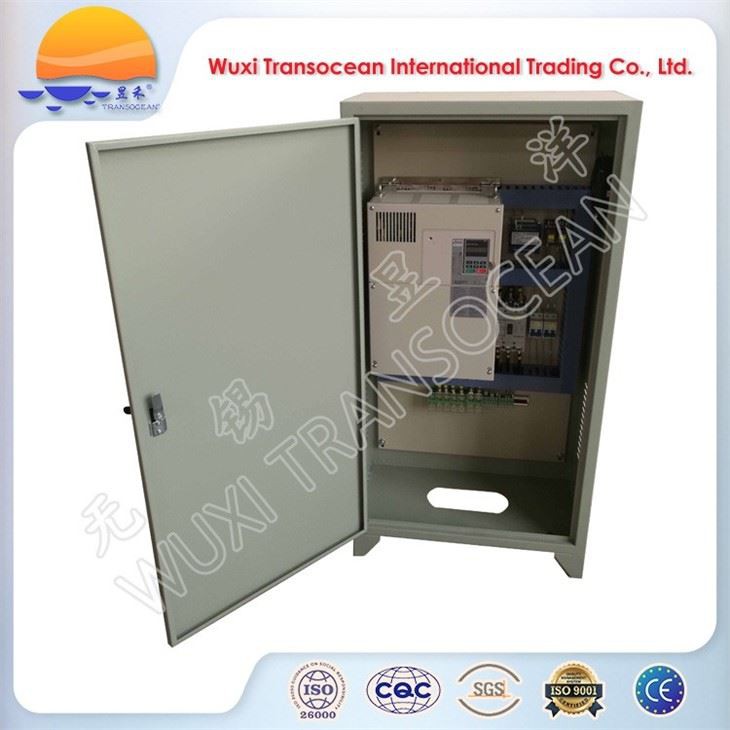
Advanced technologies, such as variable frequency drives (VFDs) and high - efficiency motors, can be incorporated into ball mills to improve their energy efficiency. These technologies allow the ball mill to adjust its speed and power consumption according to the load, reducing energy waste.
6. Brand and Manufacturer Reputation
The brand and reputation of the manufacturer can also influence the price of a ball mill. Well - established brands with a good reputation for quality and reliability often charge a premium for their products.
When choosing a ball mill, it's important to consider the manufacturer's track record. A reputable manufacturer is more likely to use high - quality materials, follow strict manufacturing standards, and provide excellent after - sales service. While you may pay more for a ball mill from a well - known brand, you can have more confidence in its performance and durability.
7. Additional Features and Accessories
Ball mills can come with a variety of additional features and accessories, which can add to the overall price. Some common additional features include automatic lubrication systems, temperature sensors, and overload protection devices.
These features can enhance the safety, reliability, and ease of operation of the ball mill. For example, an automatic lubrication system can ensure that the ball mill's bearings are properly lubricated, reducing the risk of wear and tear. However, each additional feature adds to the cost of the ball mill.
8. Market Conditions
The overall market conditions, including supply and demand, raw material prices, and economic trends, can also affect the price of a ball mill.
If the demand for ball mills is high and the supply is limited, the prices are likely to increase. Similarly, if the prices of raw materials, such as steel and energy, rise, the cost of manufacturing ball mills will also increase, leading to higher prices for consumers.
In addition, economic trends, such as inflation and currency fluctuations, can impact the price of ball mills, especially for international buyers.
In conclusion, the price of a ball mill is determined by a combination of factors, including the type of ball mill, capacity and size, materials of construction, grinding media, energy efficiency, brand and manufacturer reputation, additional features and accessories, and market conditions. When purchasing a ball mill, it's important to carefully evaluate these factors based on your specific needs and budget.
If you're in the market for a ball mill and want to discuss your requirements further, we'd be more than happy to assist you. Our team of experts can provide you with detailed information on our ball mill products and help you make an informed decision. Contact us today to start the procurement negotiation process.
References

- Perry, R. H., & Green, D. W. (1997). Perry's Chemical Engineers' Handbook. McGraw - Hill.
- Sastri, V. S. (2002). Handbook of Corrosion Engineering. McGraw - Hill.


