
When it comes to dosing systems, understanding the temperature limits is crucial. I'm part of a dosing system supplier, and we've dealt with all sorts of situations related to these limits. In this blog, I'll share what I know about the temperature limits of dosing systems, their impacts, and how to handle them.
First, why do temperature limits matter in dosing systems? Well, dosing systems are designed to accurately dispense either liquids or powders. The performance and functionality of these systems can be significantly affected by the temperature of the substances being dosed. If the temperature is too high or too low, it can lead to issues like inaccurate dosing, equipment damage, and even safety hazards.
Let's start with dosing systems for liquids. You can check out more about Dosing System for Liquids. The temperature limits for liquid dosing systems depend on several factors. One of the main factors is the viscosity of the liquid. Most liquids become less viscous as the temperature increases. This can be a double - edged sword. On one hand, a slightly higher temperature might make it easier for the liquid to flow through the dosing system, reducing the pressure required for pumping and improving dosing accuracy in some cases. However, if the temperature gets too high, it can cause problems.
For instance, some liquids might start to evaporate at high temperatures. This not only changes the concentration of the liquid but can also create a build - up of vapors in the system, which could potentially be flammable or harmful. On the other hand, if the temperature is too low, the liquid can become extremely viscous, making it difficult for the dosing system to pump and dispense the correct amount. In some cases, it can even cause the liquid to solidify, blocking the pipes and valves in the dosing system.
Typically, for common industrial liquids, the lower temperature limit might be around 0°C to 5°C. Below this range, many liquids start to thicken significantly. For example, water - based solutions can freeze at 0°C, which is a major problem for dosing systems. The upper temperature limit can vary widely depending on the liquid. For some non - volatile and heat - resistant liquids, it could be as high as 100°C or more. But for volatile or heat - sensitive liquids, the upper limit might be as low as 30°C or 40°C.
Now, let's talk about dosing systems for powders. You can find more info on Dosing System for Powders. Temperature affects powder dosing systems in different ways compared to liquid systems. Powders are generally more sensitive to humidity, which can be influenced by temperature. High temperatures can increase the humidity in the environment around the dosing system, causing powders to clump together. This clumping can lead to inaccurate dosing as the powder might not flow smoothly through the system.
Low temperatures can also be a problem. In cold environments, powders can become more static, which means they tend to stick to the surfaces of the dosing equipment. This can cause blockages and make it difficult to achieve consistent dosing. The temperature limits for powder dosing systems are often more about maintaining a stable environment. A good temperature range for most powder dosing systems is between 10°C and 30°C. This range helps to keep the humidity in check and reduces the chances of static build - up or clumping.
So, how do we deal with these temperature limits in our dosing systems? As a supplier, we offer several solutions. For liquid dosing systems, we can provide heating or cooling elements. If the liquid needs to be kept at a certain temperature, we can install heaters or coolers directly on the storage tanks or the dosing lines. This ensures that the liquid remains within the optimal temperature range for accurate dosing.
For powder dosing systems, we focus on creating a controlled environment. We can install humidity and temperature sensors in the dosing area. If the temperature or humidity goes out of the desired range, the system can automatically adjust. For example, if the humidity is too high, a dehumidifier can be turned on, and if the temperature is too low, heaters can be activated.
Another important aspect is the choice of materials for the dosing system. In high - temperature applications, we need to use materials that can withstand the heat without deforming or losing their properties. For example, in a liquid dosing system that deals with high - temperature chemicals, we might use stainless steel or special heat - resistant plastics for the pipes and valves. In low - temperature applications, we need to ensure that the materials are flexible and do not become brittle.
It's also essential to train the users of the dosing systems. They need to understand the temperature limits of the system and how to monitor and adjust the temperature if necessary. We provide detailed user manuals and on - site training to make sure that the dosing systems are used correctly.
In conclusion, understanding the temperature limits of dosing systems is key to ensuring accurate dosing, equipment longevity, and safety. Whether it's a Dosing System for Liquids or a Dosing System for Powders, each has its own unique temperature requirements. As a dosing system supplier, we're committed to providing high - quality systems that can handle a wide range of temperature conditions.
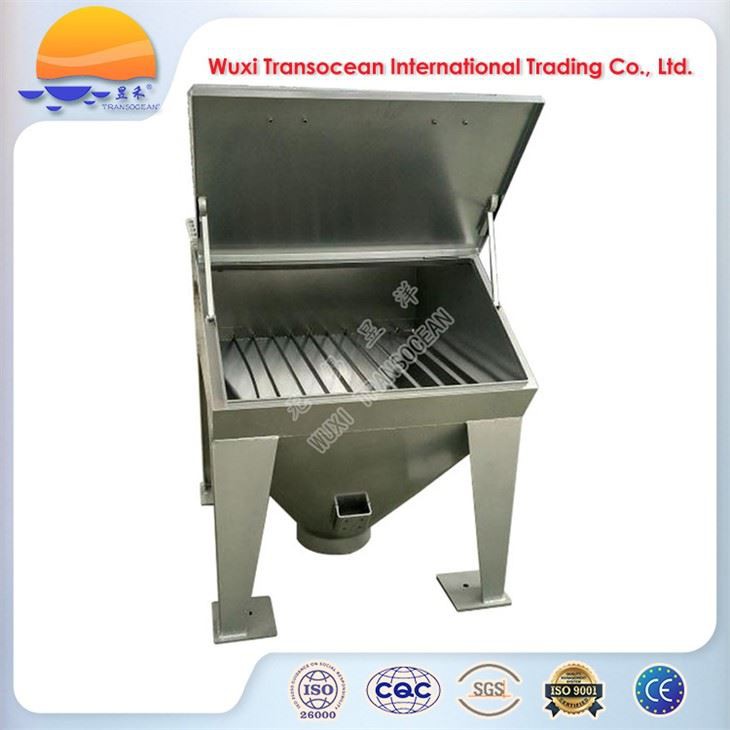

If you're in the market for a dosing system and want to learn more about how temperature limits might affect your specific application, don't hesitate to reach out. We're here to help you choose the right system and ensure that it operates at its best in your environment. Let's start a conversation about your dosing needs and find the perfect solution together.
References
- Industrial Dosing Systems Handbook: A comprehensive guide on the operation and maintenance of dosing systems.
- Journal of Chemical Engineering: Articles related to the impact of temperature on fluid and powder handling in industrial processes.


