
As a trusted ball mill supplier, I understand the critical role that ball mills play in the pharmaceutical industry. Grinding pharmaceuticals is a delicate process that requires precision, efficiency, and compliance with strict quality standards. In this blog post, I will guide you through the process of using a ball mill for grinding pharmaceuticals, from understanding the basic principles to optimizing the grinding process.
Understanding the Basics of Ball Mills
A ball mill is a type of grinder used to grind and blend materials for use in mineral dressing processes, paints, pyrotechnics, ceramics, and selective laser sintering. It works by rotating a cylinder with steel grinding balls, causing the balls to fall back into the cylinder and onto the material to be ground. The rotation can be either clockwise or counterclockwise.
There are different types of ball mills available, each with its own advantages and applications. For pharmaceutical grinding, the most commonly used types are the Ink Attritor, Vertical Ball Mill, and Wet Grinding Ball Mill.
Ink Attritor
The Ink Attritor is a high-energy ball mill that is ideal for fine grinding and dispersing of inks, pigments, and other high-viscosity materials. It uses a high-speed agitator to drive the grinding media, which results in a more efficient grinding process.
Vertical Ball Mill
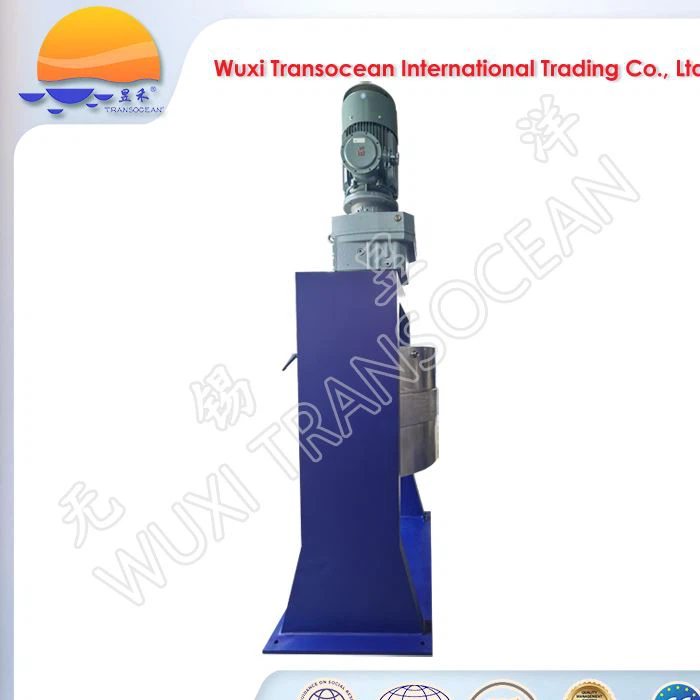
The Vertical Ball Mill is a type of ball mill that is designed to operate vertically. It is commonly used for grinding and mixing of powders, granules, and other solid materials. The vertical design allows for a more compact footprint and easier maintenance.
Wet Grinding Ball Mill
The Wet Grinding Ball Mill is a type of ball mill that is used for grinding materials in a liquid medium. It is commonly used for grinding and dispersing of pharmaceuticals, pigments, and other materials that require a high degree of fineness.
Preparing the Ball Mill for Use
Before using the ball mill for grinding pharmaceuticals, it is important to prepare the mill properly. This includes cleaning the mill, checking the grinding media, and adjusting the mill parameters.
Cleaning the Mill
The first step in preparing the ball mill is to clean it thoroughly. This helps to remove any contaminants or residues from previous grinding operations. Use a suitable cleaning agent and a brush to clean the interior of the mill, including the grinding chamber, the agitator, and the discharge port. Rinse the mill with clean water and dry it thoroughly before use.
Checking the Grinding Media
The grinding media is an important component of the ball mill. It is responsible for grinding the pharmaceutical materials. Before using the ball mill, check the grinding media to ensure that it is in good condition. Look for any signs of wear or damage, such as cracks or chips. Replace any damaged grinding media before starting the grinding process.
Adjusting the Mill Parameters
The mill parameters, such as the rotation speed, the grinding time, and the amount of grinding media, need to be adjusted according to the specific requirements of the pharmaceutical material being ground. The rotation speed of the ball mill affects the grinding efficiency and the particle size distribution of the ground material. The grinding time determines the degree of grinding and the fineness of the final product. The amount of grinding media affects the grinding intensity and the energy consumption of the mill.
Loading the Pharmaceutical Material
Once the ball mill is prepared, it is time to load the pharmaceutical material into the mill. The pharmaceutical material can be loaded either dry or wet, depending on the type of ball mill and the specific requirements of the grinding process.

Dry Loading
If the pharmaceutical material is loaded dry, it is important to ensure that it is evenly distributed in the grinding chamber. Use a suitable feeder to load the material into the mill. Avoid overloading the mill, as this can affect the grinding efficiency and the quality of the final product.
Wet Loading
If the pharmaceutical material is loaded wet, it is important to ensure that the liquid medium is compatible with the material being ground. The liquid medium can be water, a solvent, or a mixture of both. Use a suitable mixer to prepare the wet mixture before loading it into the mill.
Starting the Grinding Process
After loading the pharmaceutical material into the ball mill, it is time to start the grinding process. Turn on the ball mill and adjust the rotation speed and the grinding time according to the specific requirements of the material being ground.
Monitoring the Grinding Process
During the grinding process, it is important to monitor the mill parameters and the quality of the ground material. Check the temperature of the mill, the vibration level, and the power consumption. Take samples of the ground material at regular intervals and analyze them to determine the particle size distribution and the degree of grinding.
Adjusting the Mill Parameters
If necessary, adjust the mill parameters during the grinding process to optimize the grinding efficiency and the quality of the final product. For example, if the particle size distribution of the ground material is too wide, you can increase the grinding time or the rotation speed of the mill.
Unloading the Ground Material
Once the grinding process is complete, it is time to unload the ground material from the ball mill. Turn off the ball mill and allow it to cool down before unloading the material. Use a suitable discharge device to unload the material from the mill.
Separating the Grinding Media
After unloading the ground material, it is important to separate the grinding media from the material. This can be done using a sieve or a magnetic separator. The separated grinding media can be reused in future grinding operations.
Collecting the Ground Material
Collect the ground material in a suitable container. Label the container with the name of the material, the grinding parameters, and the date of grinding. Store the ground material in a cool, dry place until it is ready for use.
Optimizing the Grinding Process
To achieve the best results when using a ball mill for grinding pharmaceuticals, it is important to optimize the grinding process. This includes selecting the right type of ball mill, using the appropriate grinding media, and adjusting the mill parameters.
Selecting the Right Type of Ball Mill
The type of ball mill you choose depends on the specific requirements of the pharmaceutical material being ground. Consider factors such as the particle size distribution, the viscosity, and the chemical properties of the material. Choose a ball mill that is capable of producing the desired particle size and the quality of the final product.
Using the Appropriate Grinding Media
The grinding media plays a crucial role in the grinding process. It affects the grinding efficiency, the particle size distribution, and the quality of the final product. Choose the appropriate grinding media based on the specific requirements of the pharmaceutical material being ground. Consider factors such as the size, the shape, and the material of the grinding media.
Adjusting the Mill Parameters
The mill parameters, such as the rotation speed, the grinding time, and the amount of grinding media, need to be adjusted according to the specific requirements of the pharmaceutical material being ground. Experiment with different mill parameters to find the optimal settings for your specific application.
Conclusion
Using a ball mill for grinding pharmaceuticals is a complex process that requires precision, efficiency, and compliance with strict quality standards. By understanding the basic principles of ball mills, preparing the mill properly, loading the pharmaceutical material correctly, starting the grinding process, monitoring the process, and optimizing the process, you can achieve the best results when using a ball mill for grinding pharmaceuticals.
If you are interested in purchasing a ball mill for your pharmaceutical grinding needs, please contact us for more information. We are a leading ball mill supplier with a wide range of ball mills to choose from. Our experienced team of engineers can help you select the right ball mill for your specific application and provide you with the technical support you need to ensure the success of your grinding process.
References
- "Ball Mill - Wikipedia." Wikipedia, Wikimedia Foundation, 2023, en.wikipedia.org/wiki/Ball_mill.
- "Pharmaceutical Grinding: Principles and Practices." Pharmaceutical Technology, 2023, www.pharmtech.com/view/pharmaceutical-grinding-principles-and-practices.
- "Grinding in the Pharmaceutical Industry." Chemical Engineering Progress, 2023, www.aiche.org/cep/grinding-pharmaceutical-industry.


