
As a supplier of Basket Grinding Mills, I understand the frustration and inefficiency that can arise when these essential pieces of equipment experience blockages. Blockages not only disrupt production but can also lead to increased maintenance costs and potential damage to the mill. In this blog post, I will share some practical tips on how to prevent the blockage of a Basket Grinding Mill, ensuring smooth and continuous operation.
Understanding the Causes of Blockages
Before we delve into prevention strategies, it's important to understand the common causes of blockages in Basket Grinding Mills. These can include:
- Particle Agglomeration: Fine particles can clump together, forming larger aggregates that can clog the mill's screen or impeller.
- High Viscosity Materials: Materials with high viscosity can stick to the mill's internal components, reducing the flow of the grinding media and causing blockages.
- Foreign Objects: Debris, such as metal chips or pieces of plastic, can enter the mill and cause blockages.
- Overloading: Exceeding the mill's recommended capacity can lead to overheating and blockages.
- Inadequate Cleaning: Failure to clean the mill regularly can result in the buildup of material, leading to blockages.
Prevention Strategies
Now that we understand the causes of blockages, let's explore some effective prevention strategies:

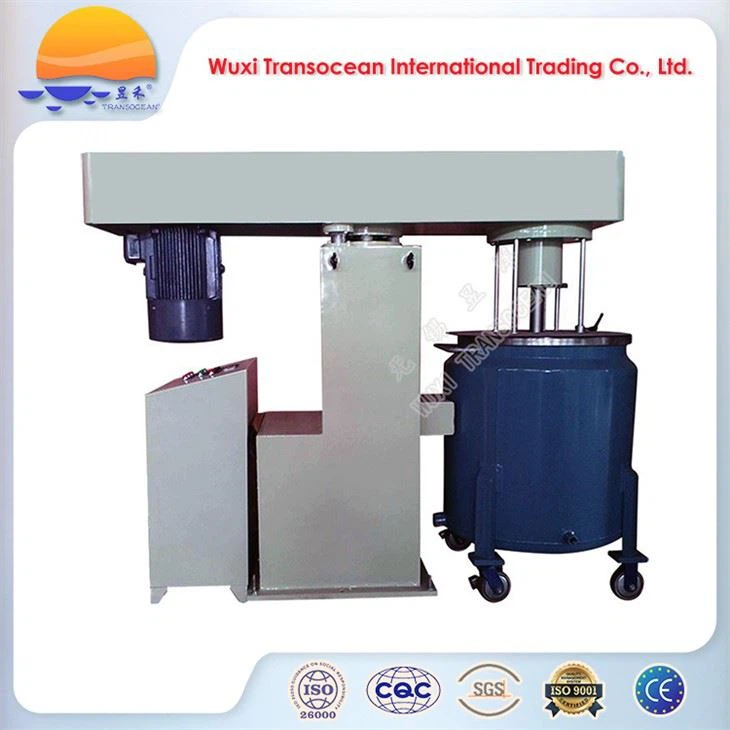
- Proper Material Preparation
- Screening: Before feeding the material into the mill, screen it to remove any large particles or foreign objects. This will prevent them from entering the mill and causing blockages.
- Pre - mixing: If the material has a high viscosity, pre - mix it with a suitable solvent or diluent to reduce its viscosity. This will improve the flow of the material through the mill.
- Particle Size Control: Ensure that the particle size of the material is within the recommended range for the mill. This will prevent particle agglomeration and reduce the risk of blockages.
- Optimal Operating Conditions
- Flow Rate: Set the flow rate of the material according to the mill's specifications. Avoid overloading the mill, as this can lead to blockages.
- Grinding Media Selection: Choose the appropriate grinding media for the material being processed. The size, density, and hardness of the grinding media can affect the grinding efficiency and the risk of blockages.
- Temperature Control: Monitor and control the temperature of the mill during operation. High temperatures can cause the material to become more viscous and increase the risk of blockages.
- Regular Maintenance and Cleaning
- Daily Inspections: Conduct daily inspections of the mill to check for any signs of blockages or damage. Look for abnormal noises, vibrations, or changes in the flow rate of the material.
- Cleaning Schedule: Establish a regular cleaning schedule for the mill. Clean the mill thoroughly after each use to remove any residual material and prevent the buildup of material over time.
- Component Replacement: Replace worn or damaged components, such as screens, impellers, or seals, in a timely manner. This will ensure the proper functioning of the mill and reduce the risk of blockages.
- Use of Anti - Blockage Devices
- Back - flushing Systems: Install a back - flushing system on the mill to periodically reverse the flow of the material and remove any blockages.
- Agitators: Use agitators to keep the material in motion and prevent particle agglomeration. This will improve the flow of the material through the mill and reduce the risk of blockages.
Additional Tips for Specific Situations
- When Processing Fibrous Materials
- Fibrous materials can easily clog the mill's screen or impeller. To prevent this, use a coarser screen and a more aggressive agitator. Additionally, consider pre - shredding the fibrous material to reduce its length and improve its flow through the mill.
- When Processing Abrasive Materials
- Abrasive materials can cause wear and tear on the mill's internal components, leading to blockages. To prevent this, choose a mill with wear - resistant components and use a higher - density grinding media. Regularly inspect and replace the worn components to ensure the proper functioning of the mill.
Conclusion
Preventing the blockage of a Basket Grinding Mill is essential for ensuring smooth and efficient operation. By understanding the causes of blockages and implementing the prevention strategies outlined in this blog post, you can minimize the risk of blockages and extend the lifespan of your mill.
If you are in the market for a high - quality Basket Grinding Mill or need further advice on preventing blockages, please feel free to [contact us for a consultation and procurement discussion]. Our team of experts is always ready to assist you in finding the right solution for your grinding needs.
In addition to the Basket Grinding Mill, we also offer other high - quality wet - grinding equipment, such as the Vertical Bead Mill and the Horizontal Disc Type Sand Mill. You can click on the links to learn more about these products.
References
- "Handbook of Industrial Mixing: Science and Practice" by Edward L. Paul, Victor A. Atiemo - Obeng, and Suzanne M. Kresta.
- "Principles of Powder Technology" by R. Hogg.
- Technical manuals and documentation provided by the manufacturers of Basket Grinding Mills.


