
Hey there! As a supplier of Vertical Bead Mills, I've seen firsthand how these machines can be real workhorses in industries like paint, ink, and ceramics. But like any piece of equipment, they need proper maintenance to keep them running smoothly and efficiently. In this blog post, I'll share some tips on how to maintain a Vertical Bead Mill.
Regular Cleaning
One of the most important aspects of maintaining a Vertical Bead Mill is regular cleaning. Over time, residues from the grinding process can build up inside the mill, affecting its performance and potentially causing damage. To clean the mill, start by shutting it down and disconnecting it from the power source. Then, remove the grinding chamber and any other removable parts. Use a soft brush and a cleaning solution recommended by the manufacturer to gently scrub away any residues. Rinse the parts thoroughly with clean water and allow them to dry completely before reassembling the mill.
Lubrication
Proper lubrication is essential for the smooth operation of a Vertical Bead Mill. The moving parts of the mill, such as the bearings and the agitator shaft, need to be lubricated regularly to reduce friction and prevent wear and tear. Check the manufacturer's instructions for the recommended lubricant and the lubrication schedule. Generally, it's a good idea to lubricate the mill at least once a month or more frequently if the mill is used heavily.
Inspection of Wear Parts
The wear parts of a Vertical Bead Mill, such as the grinding beads, the impeller, and the lining, need to be inspected regularly for signs of wear and tear. These parts are subject to a lot of stress during the grinding process and can wear out over time. If the wear parts are not replaced in a timely manner, they can affect the performance of the mill and even cause damage to other components. Check the wear parts at least once a week or more frequently if the mill is used heavily. Replace any worn or damaged parts immediately with genuine parts from the manufacturer.
Alignment and Tightening
The alignment and tightening of the components of a Vertical Bead Mill are also important for its proper operation. Over time, the vibrations from the grinding process can cause the components to become loose or misaligned. This can affect the performance of the mill and even cause damage to the components. Check the alignment and tightening of the components at least once a month or more frequently if the mill is used heavily. Use a torque wrench to tighten the bolts and nuts to the recommended torque specifications.
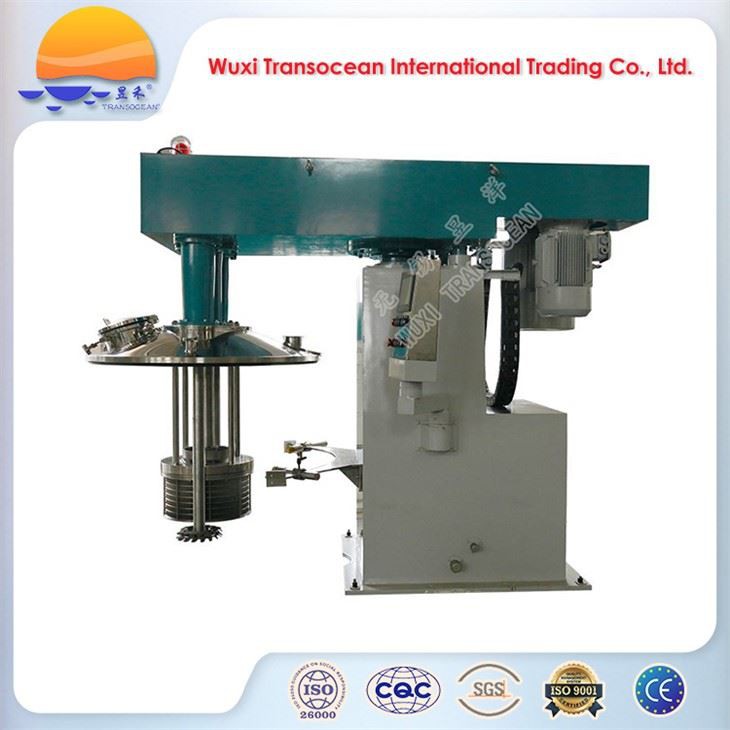

Monitoring of Operating Parameters
Monitoring the operating parameters of a Vertical Bead Mill is essential for its proper operation and maintenance. The operating parameters, such as the temperature, the pressure, and the flow rate, can provide valuable information about the performance of the mill and any potential problems. Use a monitoring system to continuously monitor the operating parameters of the mill. Set up alarms to alert you if any of the parameters exceed the normal range. This will allow you to take corrective action before any serious problems occur.
Training of Operators
Proper training of the operators of a Vertical Bead Mill is also important for its proper operation and maintenance. The operators need to be familiar with the operation and maintenance procedures of the mill and the safety precautions. Provide comprehensive training to the operators on how to operate and maintain the mill safely and effectively. Make sure the operators understand the importance of following the manufacturer's instructions and the safety guidelines.
Comparison with Other Bead Mills
When it comes to bead mills, there are different types available in the market, such as the Horizontal Agitator Bead Mill, the Horizontal Turbine Type Bead Mill, and the Dispersing Grinding Mill. Each type has its own advantages and disadvantages, and the choice of the bead mill depends on the specific application and the requirements.
The Vertical Bead Mill has several advantages over other types of bead mills. It has a compact design, which makes it suitable for small-scale production and laboratory use. It also has a high grinding efficiency and can achieve a fine particle size distribution. However, it may require more frequent maintenance than other types of bead mills due to its vertical design.
Conclusion
Maintaining a Vertical Bead Mill is essential for its proper operation and longevity. By following the tips outlined in this blog post, you can ensure that your Vertical Bead Mill runs smoothly and efficiently for many years to come. Remember to clean the mill regularly, lubricate the moving parts, inspect the wear parts, align and tighten the components, monitor the operating parameters, and train the operators. If you have any questions or need further assistance with the maintenance of your Vertical Bead Mill, don't hesitate to contact us. We're here to help you get the most out of your investment.
If you're in the market for a new Vertical Bead Mill or need to replace an existing one, we'd love to have a chat with you. Our team of experts can help you choose the right mill for your specific needs and provide you with all the support you need to keep it running smoothly. Contact us today to start the conversation!
References
- Manufacturer's manual of the Vertical Bead Mill
- Industry best practices for bead mill maintenance


