
Hey there! As a supplier of three roll mills, I often get asked about how to install these nifty machines. So, I thought I'd put together a blog post to walk you through the process. Whether you're a newbie or just need a refresher, this guide will help you get your three roll mill up and running in no time.
What is a Three Roll Mill?
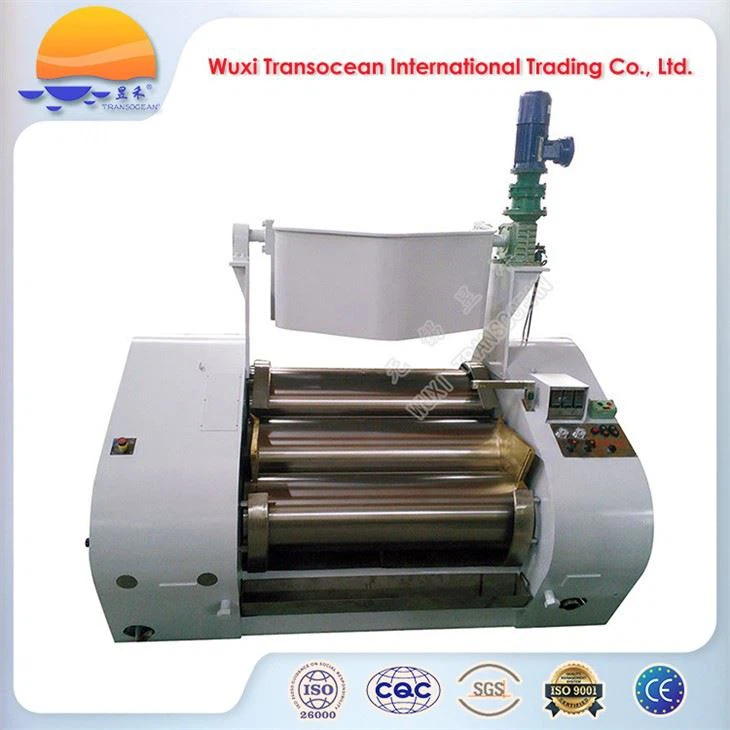
Before we dive into the installation process, let's quickly go over what a three roll mill is. A three roll mill is a machine used for grinding, dispersing, and mixing viscous materials. It consists of three horizontally arranged rolls that rotate in opposite directions at different speeds. The material is fed between the first two rolls, where it is sheared and ground. Then, it passes between the second and third rolls for further refinement. Three roll mills are commonly used in industries such as paint, ink, coatings, and pharmaceuticals.
Types of Three Roll Mills
There are several types of three roll mills available on the market, each with its own unique features and applications. Some of the most common types include:
- Coating Three Roller Grinding Mill: This type of three roll mill is specifically designed for grinding and dispersing coating materials. It is capable of producing high-quality coatings with excellent dispersion and fineness.
- Hydraulic Three Roll Grinding Mill: Hydraulic three roll mills use hydraulic pressure to adjust the gap between the rolls, providing precise control over the grinding process. They are ideal for applications that require high precision and consistency.
- Triple Roller Mill for Paint: As the name suggests, this type of three roll mill is designed for grinding and dispersing paint materials. It can produce paints with excellent color development, gloss, and adhesion.
Pre-Installation Preparation
Before you start installing your three roll mill, it's important to make sure you have everything you need. Here are some things to consider:
- Location: Choose a location for your three roll mill that is clean, dry, and well-ventilated. Make sure there is enough space around the machine for easy access and maintenance.
- Power Supply: Check the power requirements of your three roll mill and make sure you have a suitable power supply available. Most three roll mills require a three-phase power supply.
- Tools and Equipment: Gather all the tools and equipment you will need for the installation process. This may include wrenches, screwdrivers, and a level.
- Manual: Read the installation manual that came with your three roll mill carefully. Make sure you understand all the instructions and safety precautions before you start.
Installation Steps
Now that you have everything you need, it's time to start installing your three roll mill. Here are the general steps to follow:
- Unpack the Machine: Carefully unpack the three roll mill from its shipping container and inspect it for any damage. If you notice any damage, contact the manufacturer immediately.
- Position the Machine: Use a forklift or other lifting equipment to position the three roll mill in its desired location. Make sure the machine is level and stable.
- Connect the Power Supply: Connect the power supply to the three roll mill according to the manufacturer's instructions. Make sure the power supply is properly grounded.
- Install the Rollers: Install the rollers into the machine according to the manufacturer's instructions. Make sure the rollers are properly aligned and tightened.
- Connect the Lubrication System: Connect the lubrication system to the three roll mill according to the manufacturer's instructions. Make sure the lubrication system is properly filled with oil.
- Install the Feed Hopper and Discharge Chute: Install the feed hopper and discharge chute onto the three roll mill according to the manufacturer's instructions. Make sure the feed hopper and discharge chute are properly aligned and tightened.
- Adjust the Roll Gap: Use the adjustment mechanism on the three roll mill to adjust the gap between the rollers according to the manufacturer's instructions. Make sure the roll gap is set correctly for the material you will be processing.
- Test the Machine: Before you start using the three roll mill, it's important to test it to make sure it is working properly. Turn on the machine and let it run for a few minutes to check for any abnormal noises or vibrations.
Post-Installation Checks
Once you have installed your three roll mill, it's important to perform some post-installation checks to make sure everything is working properly. Here are some things to check:
- Roller Alignment: Check the alignment of the rollers to make sure they are parallel and properly spaced. If the rollers are not aligned correctly, it can cause uneven wear and poor grinding performance.
- Lubrication System: Check the lubrication system to make sure it is working properly. Make sure the oil level is correct and that there are no leaks.
- Power Supply: Check the power supply to make sure it is stable and that there are no electrical problems.
- Safety Features: Check the safety features of the three roll mill to make sure they are working properly. Make sure the emergency stop button is easily accessible and that all guards are in place.
Maintenance and Troubleshooting
To keep your three roll mill running smoothly, it's important to perform regular maintenance and troubleshooting. Here are some tips:
- Clean the Machine: Regularly clean the three roll mill to remove any dirt, debris, or material buildup. Use a clean cloth or brush to clean the rollers, feed hopper, and discharge chute.
- Lubricate the Machine: Regularly lubricate the three roll mill according to the manufacturer's instructions. Make sure the lubrication system is properly filled with oil and that there are no leaks.
- Inspect the Rollers: Regularly inspect the rollers for wear and damage. If the rollers are worn or damaged, they should be replaced immediately.
- Troubleshoot Problems: If you encounter any problems with your three roll mill, refer to the troubleshooting section of the installation manual. If you are unable to resolve the problem, contact the manufacturer for assistance.
Conclusion
Installing a three roll mill may seem like a daunting task, but with the right preparation and guidance, it can be a relatively straightforward process. By following the steps outlined in this blog post, you should be able to install your three roll mill safely and efficiently. Remember to perform regular maintenance and troubleshooting to keep your machine running smoothly.

If you're interested in purchasing a three roll mill or have any questions about the installation process, please don't hesitate to contact us. We're here to help you find the right machine for your needs and provide you with the support you need to get it up and running.
References
- Manufacturer's Installation Manual
- Industry Best Practices for Three Roll Mill Installation


