
As a supplier of Vertical Ball Mills, I've encountered numerous inquiries from customers regarding the adjustment of the gap between the grinding media and the liner in a vertical ball mill. This adjustment is crucial for optimizing the mill's performance, ensuring efficient grinding, and prolonging the lifespan of both the grinding media and the liner. In this blog post, I'll share some insights and practical tips on how to make this adjustment effectively.
Understanding the Importance of the Gap
The gap between the grinding media and the liner plays a vital role in the grinding process. A proper gap ensures that the grinding media can move freely within the mill, allowing for effective impact and abrasion on the material being ground. If the gap is too small, the grinding media may not have enough space to move, leading to inefficient grinding and increased wear on the liner. On the other hand, if the gap is too large, the grinding media may not make sufficient contact with the material, resulting in poor grinding performance.
Factors Affecting the Gap
Several factors can influence the ideal gap between the grinding media and the liner, including the type of material being ground, the size and shape of the grinding media, the rotational speed of the mill, and the liner material.
- Material Properties: Different materials have different hardness, density, and particle size distributions. Harder materials may require a larger gap to allow for more effective impact, while softer materials may need a smaller gap for better abrasion.
- Grinding Media Characteristics: The size, shape, and density of the grinding media can also affect the gap. Larger grinding media generally require a larger gap, while smaller media can work with a smaller gap. Spherical grinding media may have different requirements compared to cylindrical or irregularly shaped media.
- Rotational Speed: The rotational speed of the mill determines the centrifugal force acting on the grinding media. Higher rotational speeds may require a larger gap to prevent the grinding media from sticking to the liner.
- Liner Material: The type of liner material can also influence the gap. Some liner materials are more wear-resistant than others, and may require a different gap to ensure optimal performance.
Measuring the Gap
Before making any adjustments, it's important to measure the existing gap between the grinding media and the liner. This can be done using a feeler gauge or a similar measuring tool. Measure the gap at several points around the circumference of the mill to ensure an accurate assessment.
Adjusting the Gap
Once you've measured the gap and determined the ideal size based on the factors mentioned above, you can proceed with the adjustment. Here are some common methods for adjusting the gap in a vertical ball mill:
- Liner Replacement: If the liner has worn out significantly, replacing it with a new one of the appropriate thickness can effectively adjust the gap. Make sure to choose a liner material that is suitable for the type of material being ground and the operating conditions of the mill.
- Spacer Installation: In some cases, installing spacers between the liner and the mill shell can be used to increase the gap. Spacers can be made of various materials, such as rubber or plastic, and can be easily adjusted to achieve the desired gap.
- Grinding Media Selection: Changing the size or shape of the grinding media can also affect the gap. If the gap is too small, using larger grinding media may be a solution. Conversely, if the gap is too large, switching to smaller media may help.
Monitoring and Fine-Tuning
After making the initial adjustment, it's important to monitor the performance of the mill closely. Pay attention to factors such as the grinding efficiency, the particle size distribution of the product, and the wear rate of the liner and grinding media. If necessary, make further fine-tuning adjustments to optimize the gap and ensure the best possible performance.

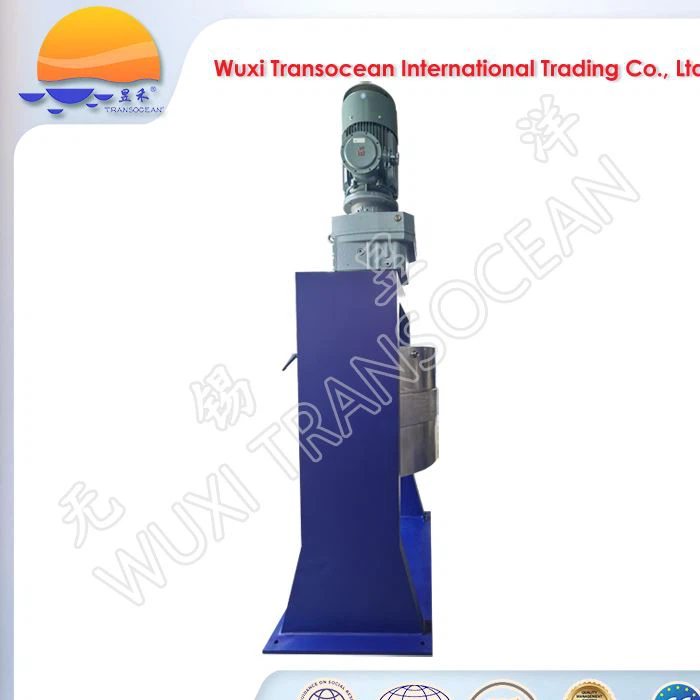
Benefits of Proper Gap Adjustment
Properly adjusting the gap between the grinding media and the liner in a vertical ball mill offers several benefits, including:
- Improved Grinding Efficiency: A well-adjusted gap ensures that the grinding media can make effective contact with the material being ground, resulting in faster and more efficient grinding.
- Reduced Wear and Tear: By optimizing the gap, you can minimize the wear on both the liner and the grinding media, extending their lifespan and reducing maintenance costs.
- Consistent Product Quality: A stable gap helps to maintain a consistent particle size distribution in the product, ensuring high-quality output.
Conclusion
Adjusting the gap between the grinding media and the liner in a vertical ball mill is a critical step in optimizing the mill's performance. By understanding the factors that affect the gap, measuring it accurately, and using the appropriate adjustment methods, you can ensure efficient grinding, reduce wear and tear, and produce high-quality products.
If you're interested in learning more about our Vertical Ball Mill or other wet grinding equipment, such as the Ink Attritor and Wet Grinding Ball Mill, please don't hesitate to contact us for a detailed consultation and to discuss your specific requirements. We're here to help you find the best solutions for your grinding needs.
References
- "Ball Milling Theory and Practice for the Amateur Pyrotechnician" by Lloyd S. Bobrow
- "Handbook of Powder Technology: Volume 1 - Particle Size Reduction" edited by T. Allen


