
Hey there! As a supplier of dosing systems, I'm super stoked to dive into how a piston pump dosing system operates. It's a topic that's not only fascinating but also crucial for anyone looking to understand the ins and outs of precise fluid and powder dosing.
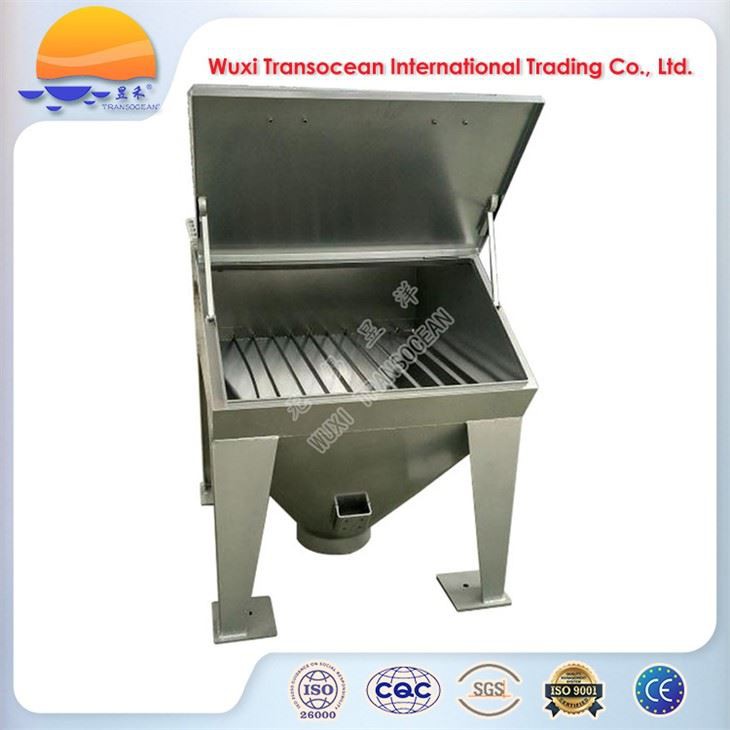

Let's start with the basics. A piston pump dosing system is all about accuracy and reliability. Whether you're dealing with Dosing System for Liquids or Dosing System for Powders, the piston pump plays a central role in getting the right amount of substance where it needs to go.
The Heart of the System: The Piston Pump
At the core of the piston pump dosing system is, you guessed it, the piston pump. This nifty piece of machinery works on a pretty simple principle. Picture a cylinder with a piston inside it. When the piston moves, it creates a change in volume within the cylinder. This change in volume is what allows the pump to suck in and then push out the substance it's meant to dose.
There are two main phases in the operation of a piston pump: the suction phase and the discharge phase. During the suction phase, the piston moves backward, increasing the volume inside the cylinder. This creates a low-pressure area, and the substance (either liquid or powder) is drawn into the cylinder through an inlet valve. It's like sucking up a milkshake through a straw!
Once the cylinder is filled, the piston starts moving forward. This is the discharge phase. As the piston moves forward, it decreases the volume inside the cylinder, creating high pressure. The high pressure forces the substance out of the cylinder through an outlet valve and into the dosing point. It's a bit like squeezing toothpaste out of a tube.
Precision in Dosing
One of the biggest advantages of a piston pump dosing system is its ability to provide precise dosing. The amount of substance dosed is directly related to the volume of the cylinder and the stroke length of the piston. By carefully controlling the stroke length, we can ensure that the exact amount of substance is delivered every time.
For example, in a liquid dosing application, if you need to add a specific amount of a chemical to a process, the piston pump dosing system can be set to deliver that exact amount with incredible accuracy. This precision is crucial in industries like pharmaceuticals, food and beverage, and water treatment, where even a small deviation in dosing can have significant consequences.
In powder dosing, the same principle applies. Whether you're adding a flavoring agent to a food product or a catalyst to a chemical reaction, the piston pump dosing system can deliver the right amount of powder every time. This helps maintain product quality and consistency.
Control and Automation
Modern piston pump dosing systems are often equipped with advanced control and automation features. These features allow for easy adjustment of dosing parameters and integration with other process control systems.
For instance, many piston pump dosing systems can be controlled via a programmable logic controller (PLC). The PLC can be programmed to adjust the stroke length, the speed of the piston, and the dosing frequency based on various factors such as process conditions, product requirements, or operator input.
Some systems also come with sensors that can monitor the dosing process in real-time. These sensors can detect things like pressure, flow rate, and level, and provide feedback to the control system. If there's any deviation from the set parameters, the control system can automatically make adjustments to ensure accurate dosing.
Applications in Different Industries
The versatility of piston pump dosing systems makes them suitable for a wide range of industries. Let's take a look at some of the common applications:
Pharmaceuticals
In the pharmaceutical industry, precision in dosing is of utmost importance. Piston pump dosing systems are used to add active ingredients, excipients, and other substances to pharmaceutical formulations. Whether it's a liquid medication or a powder-based tablet, the piston pump dosing system ensures that the right amount of each component is added, maintaining the efficacy and safety of the product.
Food and Beverage
In the food and beverage industry, piston pump dosing systems are used for flavoring, coloring, and adding preservatives. For example, in a soft drink production line, a piston pump dosing system can be used to add the right amount of flavor concentrate to each bottle. This ensures that every bottle of the soft drink tastes the same.
Water Treatment
In water treatment plants, piston pump dosing systems are used to add chemicals such as chlorine, coagulants, and pH adjusters. These chemicals are essential for purifying water and making it safe for consumption. The piston pump dosing system ensures that the right amount of each chemical is added to the water, based on the water quality and treatment requirements.
Chemical Manufacturing
In chemical manufacturing, piston pump dosing systems are used to add catalysts, reactants, and other chemicals to chemical reactions. The precise dosing provided by the piston pump dosing system helps control the reaction rate, yield, and product quality.
Maintenance and Troubleshooting
Like any piece of machinery, piston pump dosing systems require regular maintenance to ensure optimal performance. Some of the key maintenance tasks include:
- Lubrication: The moving parts of the piston pump, such as the piston and the valves, need to be properly lubricated to reduce friction and wear.
- Valve Inspection: The inlet and outlet valves should be inspected regularly for any signs of damage or wear. Damaged valves can cause leaks and affect the dosing accuracy.
- Seal Replacement: The seals in the piston pump need to be replaced periodically to prevent leaks. Leaks can not only waste the substance being dosed but also pose a safety hazard.
In case of any issues with the piston pump dosing system, troubleshooting is usually straightforward. Most modern systems come with diagnostic features that can help identify the problem. Common problems include valve blockages, seal failures, and electrical issues. By following the manufacturer's troubleshooting guide, operators can quickly identify and fix the problem.
Why Choose Our Dosing Systems
As a dosing system supplier, we take pride in offering high-quality piston pump dosing systems. Our systems are designed with the latest technology and built to last. We offer a wide range of models to suit different applications and requirements, and our team of experts is always on hand to provide support and advice.
Whether you're looking for a Dosing System for Liquids or a Dosing System for Powders, we've got you covered. Our systems are easy to install, operate, and maintain, and they offer the precision and reliability you need for your dosing applications.
If you're interested in learning more about our piston pump dosing systems or have any questions about how they can benefit your business, don't hesitate to get in touch. We'd love to have a chat with you and discuss your specific needs. Contact us today to start the conversation and take your dosing process to the next level!
References
- "Pump Handbook" by Igor Karassik et al.
- "Process Control Instrumentation Technology" by Curtis D. Johnson.
- Industry publications and technical resources related to dosing systems.


