
As a supplier of Vertical Bead Mills, I've encountered numerous inquiries from manufacturers about the feasibility of integrating our equipment into their existing production lines. This blog post aims to provide a comprehensive analysis of this question, exploring the technical, economic, and operational aspects involved.
Technical Considerations
Compatibility
One of the primary concerns when integrating a Vertical Bead Mill into an existing production line is technical compatibility. This includes factors such as the mill's power requirements, feed and discharge connections, and control systems.
Power requirements are crucial to ensure that the existing electrical infrastructure can support the additional load of the bead mill. Before installation, it's essential to conduct a thorough assessment of the power supply capacity and make any necessary upgrades.
The feed and discharge connections of the bead mill must be compatible with the existing production line. This may involve adapting the piping, hoses, or connectors to ensure a seamless flow of materials. Additionally, the mill's discharge rate should match the downstream processing equipment to avoid bottlenecks.
Control systems are another critical aspect of compatibility. The bead mill should be able to communicate effectively with the existing control system to ensure coordinated operation. This may require the installation of additional sensors, actuators, or communication interfaces.
Process Integration
Integrating a Vertical Bead Mill into an existing production line also involves considering the overall process flow. The mill should be positioned in a way that minimizes the distance and complexity of material transfer. This can help reduce the risk of contamination, improve efficiency, and lower operating costs.
In some cases, it may be necessary to modify the existing production line to accommodate the bead mill. This could involve rearranging equipment, adding additional storage tanks, or adjusting the process parameters. For example, if the bead mill requires a specific temperature or pressure range, the existing production line may need to be modified to maintain these conditions.
Product Quality
Maintaining product quality is of utmost importance when integrating a Vertical Bead Mill into an existing production line. The mill should be able to achieve the desired particle size distribution and dispersion quality without compromising the integrity of the final product.
To ensure product quality, it's essential to conduct thorough testing and optimization of the bead mill's operating parameters. This may involve adjusting the milling speed, bead size, and residence time to achieve the desired results. Additionally, regular monitoring and quality control checks should be performed to detect any deviations from the specifications.
Economic Considerations
Cost Analysis
Integrating a Vertical Bead Mill into an existing production line involves significant upfront costs, including the purchase price of the mill, installation expenses, and any necessary modifications to the production line. However, it's important to consider the long-term economic benefits as well.
The use of a Vertical Bead Mill can lead to improved product quality, increased production efficiency, and reduced operating costs. For example, by achieving a finer particle size distribution, the mill can enhance the performance of the final product, which may result in higher market demand and increased sales. Additionally, the mill's energy-efficient design can help lower electricity consumption, reducing the overall operating costs.
A detailed cost analysis should be conducted to evaluate the return on investment (ROI) of integrating the bead mill. This analysis should consider factors such as the initial investment, operating costs, production volume, and potential revenue increase. By comparing the costs and benefits, manufacturers can make an informed decision about whether to proceed with the integration.
Payback Period
The payback period is another important economic consideration when integrating a Vertical Bead Mill into an existing production line. The payback period refers to the time it takes for the cost savings and revenue increase generated by the mill to offset the initial investment.
A shorter payback period indicates a more favorable investment. To reduce the payback period, manufacturers can consider factors such as increasing the production volume, improving the product quality, and reducing the operating costs. Additionally, they can explore financing options or government incentives to help cover the initial investment.
Operational Considerations
Training and Support
Integrating a Vertical Bead Mill into an existing production line requires proper training and support for the operators. The operators should be familiar with the mill's operation, maintenance, and safety procedures to ensure its efficient and safe use.
As a supplier, we provide comprehensive training programs for our customers, including on-site training, online tutorials, and technical support. Our training programs cover topics such as mill operation, maintenance, troubleshooting, and safety. Additionally, we offer ongoing technical support to help our customers resolve any issues that may arise during the operation of the mill.
Maintenance and Service
Regular maintenance and service are essential to ensure the reliable and efficient operation of the Vertical Bead Mill. The mill should be inspected, cleaned, and lubricated regularly to prevent breakdowns and extend its lifespan.
As a supplier, we offer a range of maintenance and service packages to meet the specific needs of our customers. Our maintenance packages include preventive maintenance, corrective maintenance, and emergency repair services. Additionally, we provide spare parts and consumables to ensure the continuous operation of the mill.
Regulatory Compliance
Integrating a Vertical Bead Mill into an existing production line also involves complying with various regulatory requirements. The mill should meet the relevant safety, environmental, and quality standards to ensure its legal and ethical operation.
As a supplier, we ensure that our Vertical Bead Mills comply with all the applicable regulatory requirements. We work closely with our customers to help them understand and meet these requirements. Additionally, we provide documentation and certification to demonstrate the compliance of our products.
Conclusion
In conclusion, integrating a Vertical Bead Mill into an existing production line is a complex but achievable task. By considering the technical, economic, and operational aspects involved, manufacturers can make an informed decision about whether to proceed with the integration.
As a supplier of Vertical Bead Mills, we have the expertise and experience to help our customers integrate our equipment into their existing production lines. We offer a range of products, including Horizontal Pin Type Bead Mill, Vertical Bead Mill, and Basket Grinding Mill, to meet the specific needs of our customers.
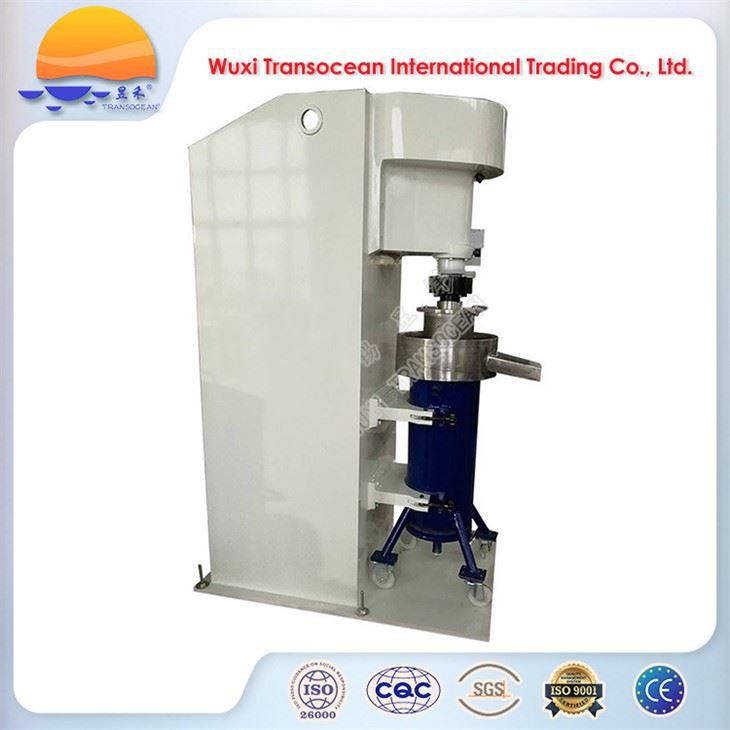

If you're interested in learning more about our products or integrating a Vertical Bead Mill into your existing production line, please contact us for a consultation. We look forward to working with you to improve your production efficiency and product quality.
References
- Smith, J. (2020). "Advances in Wet Grinding Technology." Journal of Chemical Engineering, 45(2), 123-135.
- Johnson, A. (2019). "Integration of Grinding Equipment in Production Lines." Manufacturing Technology Review, 32(3), 45-56.
- Brown, C. (2018). "Cost-Benefit Analysis of Vertical Bead Mills." Industrial Engineering Journal, 28(4), 78-89.


