
Hey there! As a supplier of Dosing System for Liquids, I often get asked about the cleaning frequency for these systems. It's a crucial topic because proper cleaning not only ensures the longevity of the equipment but also the quality of the dosed liquids. So, let's dive right in and explore this subject in detail.
Why Cleaning Matters
First off, why is cleaning a dosing system so important? Well, over time, residues from the liquids being dosed can build up inside the system. This buildup can lead to a bunch of problems. For instance, it can clog the pipes, valves, and nozzles, which in turn affects the accuracy of the dosing. If the dosing isn't accurate, it can mess up the entire production process, whether you're making pharmaceuticals, food and beverages, or chemicals.
Another issue is contamination. If the system isn't cleaned regularly, bacteria, fungi, or other harmful microorganisms can grow in the residues. This is a huge concern, especially in industries where product safety is paramount, like the food and pharmaceutical sectors. Contaminated products can lead to health risks for consumers and serious legal and financial consequences for the manufacturers.
Factors Affecting Cleaning Frequency
Now, let's talk about the factors that determine how often you should clean your dosing system. There's no one - size - fits - all answer, as it depends on several variables.
Type of Liquid Being Dosed
The nature of the liquid is a major factor. If you're dosing a clean, water - based solution with no solids or additives, you might not need to clean the system as often. These types of liquids are less likely to leave behind significant residues. On the other hand, if you're working with viscous liquids, such as syrups or oils, or liquids with high solid content, like suspensions or emulsions, they tend to stick to the surfaces of the system and require more frequent cleaning. For example, a dosing system used for dispensing honey will need to be cleaned more often than one used for dispensing plain water.
Operating Conditions
The environment in which the dosing system operates also plays a role. If the system is in a dirty or dusty environment, there's a higher chance of external contaminants entering the system. Additionally, high - temperature or high - humidity conditions can promote the growth of microorganisms, which means more frequent cleaning may be necessary. For example, a dosing system in a hot and humid factory floor might need to be cleaned more often than one in a climate - controlled laboratory.
Production Volume
The amount of liquid being dosed is another important factor. If your dosing system is running continuously at a high volume, there will be more wear and tear, and more residues will accumulate in a shorter period. In contrast, a system that is used sporadically or at a low volume can go longer between cleanings. For instance, a large - scale industrial dosing system that runs 24/7 will require more frequent cleaning than a small - scale system used in a research lab for occasional experiments.
General Guidelines for Cleaning Frequency
Based on the factors above, here are some general guidelines for cleaning frequency:
Low - Risk Liquids and Low - Volume Use
If you're dosing low - risk liquids, like water or mild aqueous solutions, and the system is used infrequently or at a low volume, you might be able to get away with cleaning the system once a month or even less frequently. However, it's still a good idea to perform a visual inspection regularly to check for any signs of residue buildup or contamination.

Moderate - Risk Liquids and Moderate - Volume Use
For moderate - risk liquids, such as some food additives or non - hazardous chemicals, and moderate - volume production, a weekly or bi - weekly cleaning schedule is usually recommended. This helps to prevent significant residue buildup and ensures the system remains in good working condition.
High - Risk Liquids and High - Volume Use
When dealing with high - risk liquids, like pharmaceuticals or highly viscous substances, and high - volume production, daily cleaning is often necessary. In some cases, you might even need to perform a quick cleaning between batches to maintain the quality of the product.
Cleaning Procedures
Once you've determined the appropriate cleaning frequency, it's important to follow the right cleaning procedures. Here's a basic outline of what a typical cleaning process might look like:
- Pre - rinse: Start by flushing the system with a suitable solvent, usually water, to remove any loose residues. This helps to prevent the residues from hardening during the cleaning process.
- Cleaning solution: Use a specialized cleaning solution that is compatible with the materials of the dosing system and the type of liquid being dosed. Follow the manufacturer's instructions for the correct concentration and contact time.
- Circulation: Circulate the cleaning solution through the system for a specified period to ensure all surfaces are thoroughly cleaned. This can be done using the system's built - in pumps or a separate cleaning pump.
- Rinse: After the cleaning solution has been circulated, rinse the system thoroughly with clean water to remove any remaining cleaning solution and residues.
- Disinfection (if necessary): In some cases, especially when dealing with high - risk liquids, a disinfection step may be required. Use a suitable disinfectant and follow the recommended procedures.
- Drying: Allow the system to dry completely before restarting the dosing process. Moisture can promote the growth of microorganisms, so it's important to ensure the system is dry.
Related Products
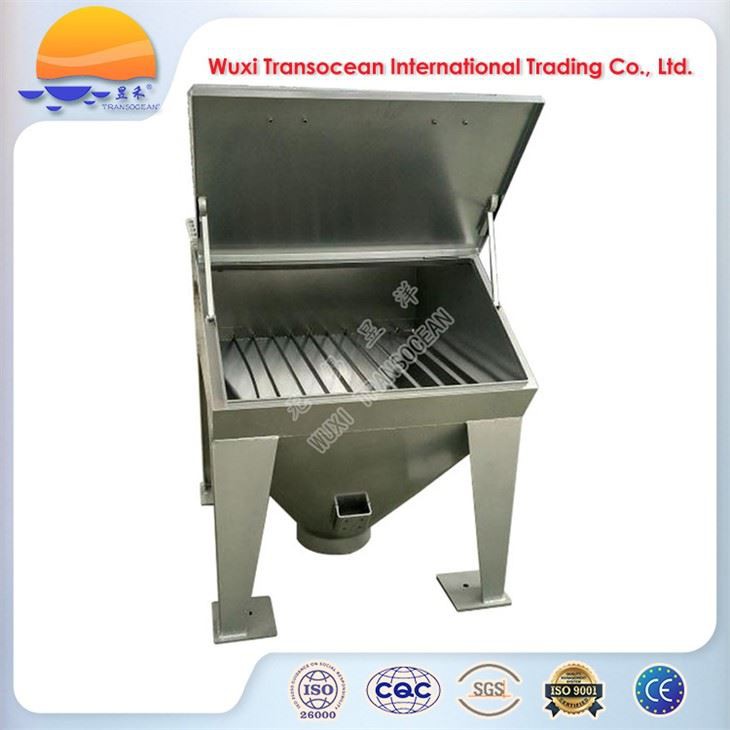
If you're also interested in dosing systems for other types of substances, we also offer Dosing System for Powders. These systems are designed to accurately dispense powders in various industries, and they also require proper cleaning and maintenance. Of course, our Dosing System for Liquids is specifically tailored to meet the needs of liquid dosing applications.
Conclusion
In conclusion, the cleaning frequency for a dosing system for liquids depends on several factors, including the type of liquid, operating conditions, and production volume. By understanding these factors and following the appropriate cleaning procedures, you can ensure the longevity and accuracy of your dosing system, as well as the quality of your products.
If you have any questions about our Dosing System for Liquids or need advice on cleaning frequencies and procedures, don't hesitate to reach out. We're here to help you make the most of your dosing system and keep your production running smoothly. Whether you're a small - scale producer or a large - scale industrial operation, we have the expertise and products to meet your needs. Contact us to start a discussion about your specific requirements and let's work together to find the best solutions for your business.
References
- Chemical Engineering Handbook: Covers general principles of equipment cleaning in chemical processing.
- Food and Drug Administration (FDA) Guidelines: Provide information on cleaning requirements for dosing systems used in the food and pharmaceutical industries.
- Manufacturer's Manuals: Specific to dosing systems, they offer detailed cleaning instructions and recommendations.


