
A dosing system is a crucial component in various industries, designed to accurately measure and dispense specific quantities of substances. As a leading supplier of dosing systems, we understand the diverse needs of our clients and the importance of precision in dosing operations. In this blog post, we will explore what a dosing system is, its types, applications, and the benefits it offers.
What is a Dosing System?
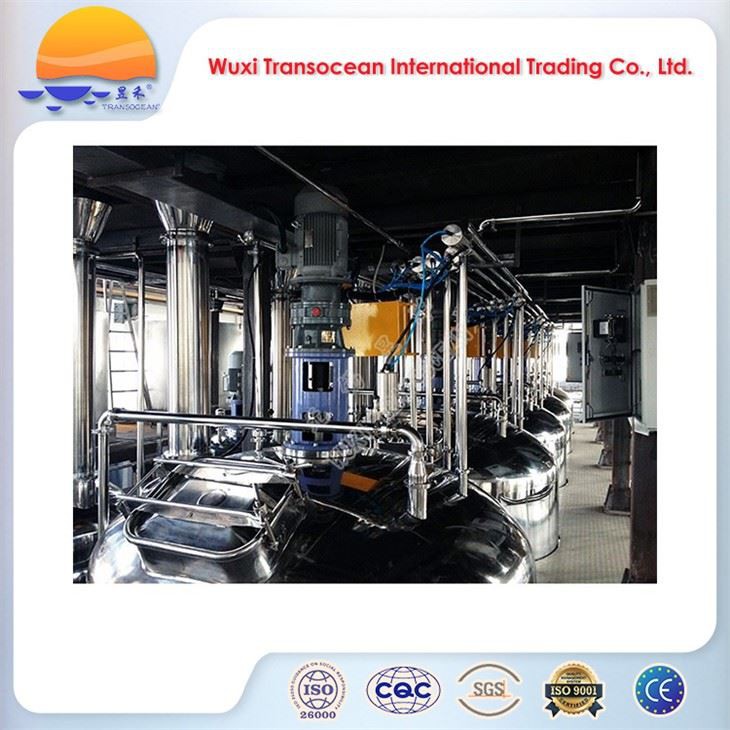
A dosing system is a device or a set of devices that precisely controls the amount of a substance (such as a liquid, powder, or gas) that is added to a process. It ensures that the right quantity of the substance is delivered at the right time, maintaining consistency and quality in the production process. Dosing systems can be manual, semi - automatic, or fully automatic, depending on the complexity of the application and the level of control required.
Types of Dosing Systems
1. Dosing System for Powders
Powder dosing systems are used when dealing with dry materials such as chemicals, food ingredients, pharmaceuticals, and minerals. These systems need to handle powders of different characteristics, including particle size, density, and flowability. Our Dosing System for Powders is engineered to provide accurate and reliable powder dosing. It can use various methods such as screw feeders, vibratory feeders, or pneumatic conveyors to transport and dose the powder. Screw feeders are commonly used as they can provide a consistent flow rate by rotating a screw inside a tube, pushing the powder forward. Vibratory feeders, on the other hand, use vibration to move the powder along a trough, which is suitable for powders that are prone to bridging or caking.
2. Dosing System for Liquids
Liquid dosing systems are widely used in industries such as chemical processing, water treatment, food and beverage, and cosmetics. They are responsible for accurately measuring and dispensing liquids of different viscosities, from thin - flowing water - like substances to thick syrups. Our Dosing System for Liquids offers high - precision dosing. Positive displacement pumps, such as diaphragm pumps and piston pumps, are often used in liquid dosing systems. Diaphragm pumps work by flexing a diaphragm to create a vacuum that draws the liquid into the pump chamber and then pushes it out. Piston pumps, on the other hand, use a piston moving back and forth inside a cylinder to displace the liquid.
Applications of Dosing Systems
Chemical Industry
In the chemical industry, dosing systems are used to add precise amounts of reactants, catalysts, and additives to chemical reactions. This ensures that the reactions proceed as expected, producing high - quality products with consistent properties. For example, in the production of polymers, accurate dosing of monomers and initiators is crucial for controlling the molecular weight and structure of the polymer.
Water Treatment
Water treatment plants rely on dosing systems to add chemicals such as chlorine, flocculants, and pH adjusters to the water. Chlorine is used to disinfect the water, killing harmful bacteria and viruses. Flocculants help to remove suspended solids by causing them to clump together, making them easier to filter out. pH adjusters are used to maintain the optimal pH level of the water, which is important for the effectiveness of other treatment processes.
Food and Beverage Industry
In the food and beverage industry, dosing systems are used to add ingredients such as flavors, colors, sweeteners, and preservatives. This ensures that the products have the desired taste, appearance, and shelf - life. For example, in the production of soft drinks, accurate dosing of carbon dioxide is necessary to give the drinks their characteristic fizz.

Pharmaceutical Industry
The pharmaceutical industry requires extremely high precision in dosing systems. Dosing systems are used to manufacture medications, where the correct dosage of active ingredients is critical for the safety and effectiveness of the drugs. Whether it is a tablet, capsule, or liquid medicine, the dosing system must ensure that each dose contains the exact amount of the active ingredient.
Benefits of Using Dosing Systems
Precision and Accuracy
One of the main advantages of using a dosing system is the high level of precision and accuracy it offers. By precisely controlling the amount of the substance being dosed, dosing systems help to minimize waste and ensure consistent product quality. This is especially important in industries where even a small deviation in the dosage can have significant consequences, such as the pharmaceutical and chemical industries.
Increased Efficiency
Dosing systems can automate the dosing process, reducing the need for manual labor. This not only saves time but also reduces the risk of human error. Automated dosing systems can operate continuously, increasing the overall productivity of the production process. For example, in a large - scale chemical manufacturing plant, an automated dosing system can work 24/7, ensuring a steady supply of reactants to the reactors.
Improved Safety
Dosing systems can handle hazardous substances safely. They are designed with features such as leak - proof seals, protective enclosures, and safety interlocks to prevent spills and exposure to harmful chemicals. In addition, automated dosing systems can reduce the need for workers to handle dangerous substances directly, minimizing the risk of accidents and health problems.
Flexibility
Dosing systems can be customized to meet the specific needs of different applications. They can be adjusted to dose different substances, at different flow rates, and under different operating conditions. This makes them suitable for a wide range of industries and processes.
Conclusion
In conclusion, a dosing system is an essential tool in many industries. Whether it is a Dosing System for Powders or a Dosing System for Liquids, it plays a vital role in ensuring precision, efficiency, safety, and flexibility in the production process. As a leading supplier of dosing systems, we are committed to providing our clients with high - quality, reliable, and innovative dosing solutions.
If you are interested in learning more about our dosing systems or are looking for a dosing solution for your specific application, we encourage you to contact us for a detailed discussion. Our team of experts is ready to assist you in finding the most suitable dosing system for your needs.
References
- "Industrial Dosing Systems: Principles and Applications" by John Smith, published by Industrial Press.
- "Water Treatment Technology: A Guide to Dosing Systems" by Jane Doe, published by Water Science Publications.
- "Pharmaceutical Dosing Systems: Precision and Quality Control" by Robert Johnson, published by Pharmaceutical Press.


