
Operating a ball mill is a complex process that requires strict adherence to safety precautions to ensure the well - being of operators and the efficient functioning of the equipment. As a ball mill supplier, I understand the importance of providing comprehensive safety guidelines to our customers. In this blog, I will discuss the key safety precautions that should be taken when operating a ball mill.
Pre - operation Safety Checks
Before starting the ball mill, a series of pre - operation safety checks must be carried out. Firstly, inspect the physical condition of the ball mill. Check for any visible signs of damage, such as cracks in the mill body, loose bolts, or worn - out components. For example, if the bolts holding the mill drum are loose, it can lead to abnormal vibrations during operation, which may cause the mill to malfunction or even pose a risk of collapse.
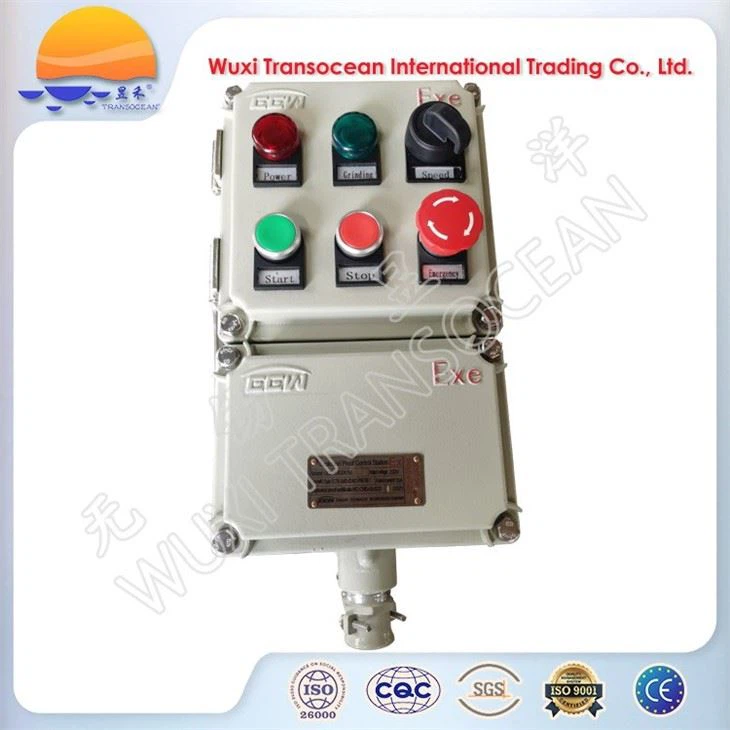
Secondly, examine the electrical system. Ensure that all electrical connections are secure and that there are no exposed wires. Electrical faults can cause short - circuits, which not only damage the equipment but also pose a serious risk of electric shock to operators. It is also essential to check the grounding of the ball mill to prevent electrostatic accumulation.
Next, verify the lubrication system. Adequate lubrication is crucial for the smooth operation of the ball mill's moving parts. Check the oil level in the lubrication tank and ensure that the lubricant is of the correct type and quality. Insufficient lubrication can lead to increased friction, overheating, and premature wear of the components.

Personal Protective Equipment (PPE)
Operators must wear appropriate personal protective equipment (PPE) at all times when operating a ball mill. Safety glasses are essential to protect the eyes from flying debris, such as small particles of the grinding media or the material being processed. Dust masks should be worn to prevent inhalation of dust, especially when dealing with fine - powder materials. Prolonged exposure to dust can cause respiratory problems, such as silicosis.
Hearing protection is also necessary, as ball mills can generate high - decibel noise levels during operation. Earplugs or earmuffs can effectively reduce the risk of hearing damage. Additionally, operators should wear safety shoes to protect their feet from heavy objects or sharp edges.
Loading and Unloading Precautions
When loading the ball mill, it is important to follow the correct procedures. Do not over - load the mill, as this can cause excessive stress on the equipment and lead to mechanical failures. Ensure that the grinding media and the material to be processed are evenly distributed inside the mill drum. Uneven loading can result in imbalanced rotation, which may cause vibrations and damage to the mill.
During the unloading process, take care to prevent the material from spilling. Use appropriate tools, such as shovels or conveyors, to transfer the processed material safely. If the material is hot or contains hazardous substances, additional precautions should be taken, such as using heat - resistant gloves or handling the material in a well - ventilated area.
Operational Safety
Once the ball mill is in operation, continuous monitoring is required. Regularly check the temperature and pressure of the mill. Abnormal temperature or pressure increases may indicate a problem with the equipment, such as a blockage in the cooling system or excessive friction. If any abnormalities are detected, the mill should be stopped immediately for inspection.
Keep a safe distance from the moving parts of the ball mill. Do not attempt to touch or adjust the mill while it is running. Loose clothing, jewelry, or long hair should be secured to prevent them from getting caught in the rotating parts.
In addition, ensure that the working environment around the ball mill is clean and free of obstacles. A cluttered workspace can increase the risk of accidents, such as tripping or falling. Good ventilation is also important to remove any fumes or dust generated during the grinding process.
Maintenance and Repair Safety
Regular maintenance is essential to keep the ball mill in good working condition. However, maintenance and repair work should only be carried out by trained personnel. Before starting any maintenance or repair work, the ball mill must be shut down, and the power supply must be disconnected to prevent accidental startup.
Use appropriate tools and equipment for maintenance tasks. Ensure that the tools are in good condition and that they are used correctly. For example, when replacing a worn - out part, use the correct size of wrenches or screwdrivers to avoid damaging the equipment.
During the maintenance process, be careful when handling the grinding media and other components. Some grinding media may be heavy or sharp, and improper handling can cause injuries.
Specific Considerations for Different Types of Ball Mills
We offer a variety of ball mills, such as the [Horizontal Attritor Ball Mill](/wet - grinding - equipment/ball - mill/horizontal - attritor - ball - mill.html), [Wet Grinding Ball Mill](/wet - grinding - equipment/ball - mill/wet - grinding - ball - mill.html), and [Ink Attritor](/wet - grinding - equipment/ball - mill/ink - attritor.html). Each type of ball mill has its own unique features and safety considerations.
For the Horizontal Attritor Ball Mill, pay special attention to the alignment of the agitator and the mill drum. Misalignment can cause excessive wear on the components and reduce the grinding efficiency. Also, ensure that the sealing system is in good condition to prevent the leakage of the grinding slurry.
The Wet Grinding Ball Mill involves the use of liquid during the grinding process. Therefore, it is important to check the liquid level and the flow rate regularly. Leakage of the liquid can not only cause environmental pollution but also pose a slip hazard in the workplace.
The Ink Attritor is used for processing ink materials, which may contain chemicals. Operators should be trained on the proper handling of these chemicals and should wear appropriate PPE, such as chemical - resistant gloves and aprons, to prevent skin contact.
Conclusion
Operating a ball mill safely requires a combination of pre - operation checks, the use of personal protective equipment, proper loading and unloading procedures, continuous monitoring during operation, and safe maintenance and repair practices. By following these safety precautions, operators can minimize the risk of accidents and ensure the long - term reliability of the ball mill.
If you are interested in purchasing a ball mill or have any questions about ball mill safety, please feel free to contact us for further discussion. We are committed to providing high - quality ball mills and comprehensive technical support to our customers.
References
- "Handbook of Powder Technology: Ball Milling" by Pieter J. Bronsveld.
- "Safety Guidelines for Industrial Grinding Equipment" published by the National Institute for Occupational Safety and Health (NIOSH).
- Manufacturer's manuals for various ball mill models.


