
When it comes to industrial processes, a reliable dosing system for liquids is crucial for accurate and consistent delivery of fluids. As a supplier of Dosing System for Liquids, I understand the importance of proper installation to ensure the system functions optimally. In this blog post, I'll delve into the key installation requirements for a dosing system for liquids, covering aspects from site preparation to electrical and plumbing connections.
Site Preparation
The first step in installing a dosing system for liquids is to prepare the site where the system will be located. This involves several important considerations:
Space Requirements
The dosing system should be installed in an area that provides sufficient space for easy access and maintenance. You need to account for the physical dimensions of the dosing unit, including any additional components such as storage tanks, pumps, and control panels. A general rule of thumb is to allow at least 30 - 50 cm of clearance around the system to facilitate inspection, repair, and replacement of parts.
Environmental Conditions
The site should have suitable environmental conditions to ensure the longevity and proper functioning of the dosing system. The temperature and humidity levels should be within the manufacturer's specified range. For example, most dosing systems are designed to operate in temperatures between 5°C and 40°C. Extreme temperatures can affect the performance of pumps, valves, and sensors, leading to inaccurate dosing or system failures.
The area should also be free from excessive dust, dirt, and corrosive substances. If the installation site is in a harsh industrial environment, consider installing the dosing system in a protected enclosure or a dedicated room to shield it from contaminants.
Floor and Mounting Surface
The floor where the dosing system will be installed should be level and capable of supporting the weight of the equipment. Uneven floors can cause stress on the system components, leading to leaks or premature wear. If necessary, use shims or leveling feet to ensure the system is properly aligned.
For larger dosing systems or those that require vibration isolation, consider mounting the system on a vibration - dampening platform or using anti - vibration mounts. This helps to reduce noise and prevent damage to the system caused by vibrations from nearby equipment.
Electrical Requirements
Proper electrical installation is essential for the safe and reliable operation of a dosing system for liquids.
Power Supply
The dosing system must be connected to a stable and appropriate power supply. Check the voltage, frequency, and phase requirements specified by the manufacturer. Most dosing systems operate on single - phase or three - phase power, typically at 220V or 380V.
Ensure that the electrical circuit has sufficient capacity to handle the power consumption of the system. Overloading the circuit can lead to tripped breakers, overheating, and potential damage to the equipment. It's recommended to install a dedicated circuit for the dosing system to avoid interference from other electrical devices.
Electrical Wiring
Use high - quality electrical wiring that is rated for the current and voltage requirements of the system. The wiring should be properly insulated and protected from physical damage. Follow all local electrical codes and regulations when installing the wiring.
All electrical connections should be secure and free from loose or exposed wires. Use appropriate connectors and terminal blocks to ensure a reliable connection. Label all electrical wires and components for easy identification during maintenance and troubleshooting.
Grounding
Proper grounding is crucial for electrical safety. Connect the dosing system to a reliable ground source to prevent electrical shocks and protect the equipment from electrical surges. The grounding conductor should have an appropriate cross - sectional area as specified by the electrical code.
Plumbing Requirements
The plumbing connections are vital for the proper flow of liquids in the dosing system.
Pipe Sizing
Select the appropriate pipe size based on the flow rate and pressure requirements of the dosing system. Undersized pipes can cause excessive pressure drops, leading to reduced flow rates and inaccurate dosing. Oversized pipes, on the other hand, can result in slow response times and increased costs.
The pipe material should be compatible with the liquid being dosed. Common pipe materials include PVC, stainless steel, and polyethylene. For corrosive liquids, use corrosion - resistant pipes such as stainless steel or lined pipes.
Pipe Installation
Install the pipes in a way that minimizes bends, kinks, and sharp turns. This helps to reduce pressure losses and ensure a smooth flow of liquid. Use proper pipe supports at regular intervals to prevent sagging or stress on the pipes.
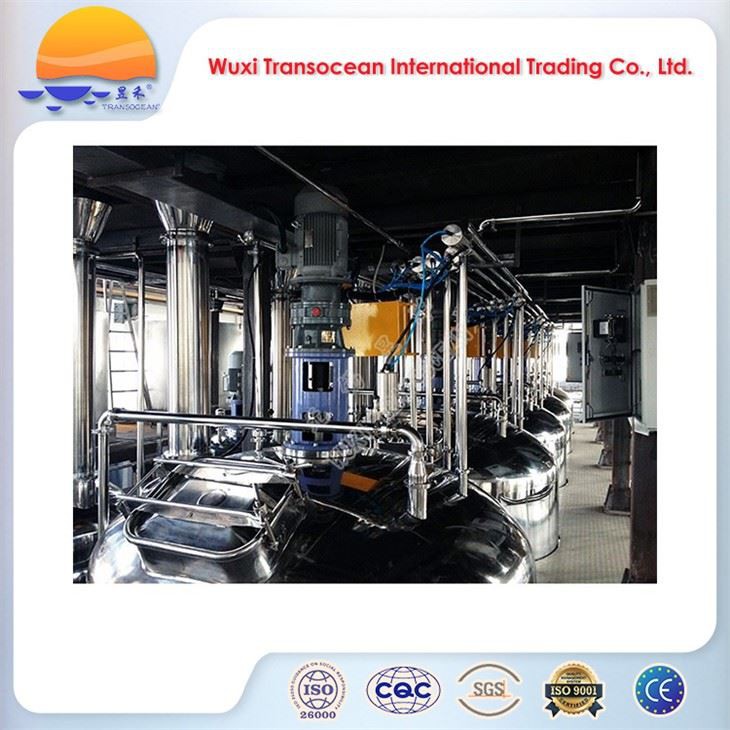

All pipe connections should be leak - free. Use appropriate sealing materials such as gaskets, O - rings, or thread sealants to ensure a tight seal. Before starting the system, perform a pressure test on the plumbing system to check for leaks.
Valves and Fittings
Install the necessary valves and fittings in the plumbing system to control the flow of liquid. Ball valves, gate valves, and check valves are commonly used in dosing systems. Make sure the valves are properly sized and rated for the pressure and flow conditions of the system.
The fittings should be compatible with the pipe material and the type of connection required. Use compression fittings, threaded fittings, or welded connections as appropriate.
Instrumentation and Control Requirements
Accurate dosing relies on the proper functioning of instrumentation and control devices.
Sensors
Install sensors such as flow sensors, level sensors, and pressure sensors in the appropriate locations. Flow sensors are used to measure the flow rate of the liquid, while level sensors monitor the liquid level in storage tanks. Pressure sensors help to ensure that the system operates within the desired pressure range.
Calibrate the sensors according to the manufacturer's instructions before starting the system. Regularly check and recalibrate the sensors to maintain accurate dosing.
Control Panel
The control panel is the brain of the dosing system, allowing you to set the dosing parameters and monitor the system status. Mount the control panel in a location that is easily accessible for operators.
Ensure that the control panel is properly grounded and protected from dust and moisture. Connect all the sensors, pumps, and valves to the control panel using appropriate wiring. Program the control panel with the correct dosing algorithms and setpoints based on the application requirements.
Commissioning and Testing
Once the dosing system for liquids is installed, it's important to perform a thorough commissioning and testing process.
Leak Testing
Conduct a leak test on all plumbing connections to ensure there are no leaks. Pressurize the system with water or a test fluid and check for any signs of leakage at joints, valves, and fittings. Repair any leaks immediately before proceeding with further testing.
Function Testing
Test the functionality of all system components, including pumps, valves, sensors, and the control panel. Start the system and check if the pumps are operating correctly, the valves are opening and closing as expected, and the sensors are providing accurate readings.
Dosing Accuracy Testing
Verify the dosing accuracy of the system by measuring the amount of liquid dispensed over a specific period. Compare the measured values with the set dosing parameters. If there are any discrepancies, adjust the system settings or calibrate the sensors as needed.
Conclusion
Installing a dosing system for liquids requires careful planning and attention to detail. By meeting the site, electrical, plumbing, and instrumentation requirements, you can ensure the system operates safely, accurately, and reliably.
If you are in the market for a high - quality Dosing System for Liquids, we are here to assist you. Our team of experts can provide you with professional advice on installation, maintenance, and system configuration. We also offer a range of Dosing System for Powders for applications that require powder dosing.
Contact us today to discuss your specific dosing needs and start a procurement negotiation. We look forward to working with you to find the best dosing solution for your industrial processes.
References
- Manufacturer's installation manuals for dosing systems for liquids.
- Local electrical and plumbing codes and regulations.
- Industry standards for industrial process control and instrumentation.


