
Hey there! As a supplier of Dosing System for Liquids, I've seen firsthand how crucial it is to use these systems correctly. In this blog, I'll share some of the best practices for using a dosing system for liquids.
Understanding Your Dosing System
First things first, you gotta know your dosing system inside out. Every system is different, with its own set of features and capabilities. Before you start using it, take the time to read the user manual thoroughly. It might seem like a drag, but trust me, it'll save you a lot of headaches in the long run.
The manual will tell you things like the maximum and minimum flow rates, the types of liquids it can handle, and the recommended maintenance schedule. For example, some dosing systems are designed for low-viscosity liquids, while others can handle thicker substances. If you try to use the wrong type of liquid in your system, it could lead to clogs, inaccurate dosing, or even damage to the equipment.
Calibration is Key
Calibration is one of the most important steps in using a dosing system for liquids. You need to make sure that your system is dispensing the correct amount of liquid every time. This is especially important in industries where precise dosing is critical, like pharmaceuticals, food and beverage, and water treatment.
To calibrate your dosing system, you'll need to use a calibrated measuring device, like a graduated cylinder or a volumetric flask. First, set your dosing system to dispense a specific volume of liquid. Then, measure the actual volume of liquid that's dispensed. If there's a difference between the set volume and the actual volume, you'll need to adjust the system accordingly.
It's a good idea to calibrate your dosing system regularly, especially if you're using it frequently or if you're switching between different types of liquids. This will help ensure that your dosing is accurate and consistent over time.
Choosing the Right Liquid
As I mentioned earlier, not all dosing systems are created equal when it comes to the types of liquids they can handle. When choosing a liquid for your dosing system, you need to consider factors like viscosity, density, and chemical compatibility.
Viscosity is a measure of a liquid's resistance to flow. High-viscosity liquids, like honey or syrup, are thicker and flow more slowly than low-viscosity liquids, like water or alcohol. If you're using a dosing system that's designed for low-viscosity liquids, trying to dispense a high-viscosity liquid could cause problems.
Density is another important factor to consider. Liquids with a higher density are heavier than liquids with a lower density. This can affect the accuracy of your dosing system, especially if it's calibrated for a specific density.

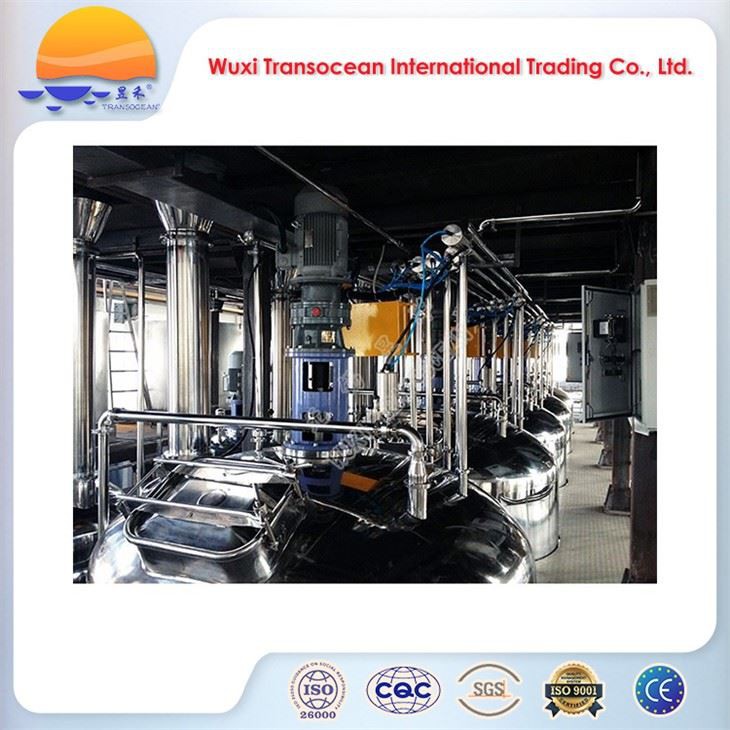
Chemical compatibility is also crucial. Some liquids can react with the materials used in your dosing system, causing corrosion or other damage. Before using a new liquid in your system, make sure to check the manufacturer's recommendations for chemical compatibility.
Maintenance and Cleaning
Regular maintenance and cleaning are essential for keeping your dosing system in good working condition. Over time, dirt, debris, and residue can build up in the system, which can affect its performance and accuracy.
To clean your dosing system, you'll need to follow the manufacturer's instructions. In general, you'll need to disassemble the system and clean each component separately. Use a mild detergent and warm water to clean the parts, and then rinse them thoroughly to remove any soap residue.
It's also a good idea to lubricate the moving parts of your dosing system regularly. This will help reduce friction and wear, and ensure that the system operates smoothly.
In addition to regular cleaning, you'll also need to perform routine maintenance tasks, like replacing worn-out parts and checking the system for leaks. Make sure to keep a maintenance log to track when you perform these tasks.
Safety First
When using a dosing system for liquids, safety should always be your top priority. Some liquids can be hazardous, so it's important to take the necessary precautions to protect yourself and others.
First, make sure to wear appropriate personal protective equipment (PPE), like gloves, goggles, and a lab coat. This will help protect you from splashes and spills.
Second, make sure to store your liquids properly. Keep them in a cool, dry place, away from heat and direct sunlight. Make sure to label the containers clearly, so you know what's inside.
Third, make sure to follow the manufacturer's instructions for handling and disposing of hazardous liquids. Some liquids need to be disposed of in a special way, so make sure to do your research and follow the proper procedures.
Training Your Staff
If you're using a dosing system in a workplace setting, it's important to train your staff on how to use it correctly. Make sure that everyone who will be using the system understands the safety procedures, the calibration process, and the maintenance requirements.
Provide your staff with hands-on training, so they can practice using the system in a safe and controlled environment. Make sure to provide them with the necessary resources, like user manuals and training materials.
It's also a good idea to have a designated person on your staff who is responsible for maintaining and troubleshooting the dosing system. This person should be trained in advanced maintenance techniques and should be able to handle any problems that arise.
Using a Dosing System for Different Applications
Dosing systems for liquids can be used in a wide variety of applications, from industrial manufacturing to laboratory research. Here are some tips for using a dosing system in different applications:
- Industrial Manufacturing: In industrial manufacturing, dosing systems are often used to add precise amounts of chemicals or additives to a production process. Make sure to choose a dosing system that can handle the high volumes and pressures required in industrial applications.
- Laboratory Research: In laboratory research, dosing systems are often used to dispense small amounts of liquids for experiments. Make sure to choose a dosing system that can provide accurate and precise dosing at low volumes.
- Water Treatment: In water treatment, dosing systems are often used to add chemicals to water to purify it. Make sure to choose a dosing system that can handle the corrosive nature of the chemicals used in water treatment.
Conclusion
Using a dosing system for liquids can be a great way to improve the accuracy and efficiency of your processes. By following these best practices, you can ensure that your dosing system operates smoothly and provides accurate dosing over time.
If you're in the market for a Dosing System for Liquids, check out our website at Dosing System for Liquids. We also offer a Dosing System for Powders if that's more your thing.
If you have any questions or would like to discuss your specific needs, feel free to reach out to us. We're here to help you find the right dosing system for your application.
References
- Manufacturer's user manuals for dosing systems
- Industry standards and guidelines for liquid dosing
- Scientific research on liquid dosing and accuracy


