
Hey there! I'm a supplier of Dosing System for Liquids. Over the years, I've gotten a bunch of questions about how dosing systems for liquids need to be adjusted when used in high - altitude areas. So, I thought I'd share some insights on this topic.
Understanding the High - Altitude Environment
First off, let's talk about what makes high - altitude areas different. At high altitudes, the atmospheric pressure is significantly lower compared to sea - level areas. For example, at sea level, the standard atmospheric pressure is about 101.3 kPa. But as you go up to say, 3000 meters, the pressure drops to around 70 kPa.
This lower pressure has a direct impact on the behavior of liquids. Liquids tend to boil at lower temperatures at high altitudes. You might have heard that water boils at less than 100°C up in the mountains. This change in boiling point can mess with the dosing process if not taken into account.
Another factor is the density of the air. The air at high altitudes is less dense. This affects the way pumps and other components of the dosing system work. Since there's less air resistance and different air - fluid interactions, the performance of the system can vary.
Adjustments to the Dosing Pump
The dosing pump is the heart of any dosing system for liquids. In high - altitude areas, the pump needs some tweaks.
Pressure Settings
Most dosing pumps are calibrated for standard atmospheric pressure. With the lower pressure at high altitudes, the pump might over - or under - dose. If the pressure setting isn't adjusted, the pump might push out more liquid than intended because there's less back - pressure. To fix this, you need to recalibrate the pressure settings on the pump. You can usually do this through the control panel of the pump. Some modern pumps even have auto - calibration features that can adjust to the local atmospheric pressure.
Seal Integrity
The lower pressure can also affect the seals in the pump. Seals that work perfectly at sea level might start to leak at high altitudes. This is because the pressure difference between the inside and outside of the pump changes. You might need to use seals that are designed to handle lower pressures. Some manufacturers offer high - altitude - specific seals that have better flexibility and can maintain a tight seal even in low - pressure environments.
Fluid Viscosity and Temperature
The viscosity of a liquid can change at high altitudes due to the lower temperature and pressure. Viscosity is a measure of a liquid's resistance to flow.
Temperature Compensation
Liquids generally become more viscous at lower temperatures, which are common at high altitudes. If the dosing system doesn't account for this change in viscosity, the flow rate of the liquid can be affected. Many dosing systems have temperature sensors and compensation mechanisms. These sensors detect the temperature of the liquid and adjust the dosing rate accordingly. For example, if the liquid is more viscous due to the cold, the system can increase the pumping force to maintain the correct dosing volume.
Fluid Properties
Some liquids might also change their chemical properties at high altitudes. For instance, certain solvents might evaporate more quickly due to the lower boiling point. This can lead to a change in the concentration of the liquid being dosed. You need to be aware of these changes and adjust the dosing system accordingly. If the liquid is evaporating too quickly, you might need to increase the dosing frequency or adjust the storage conditions of the liquid.
Air Entrainment
Air entrainment is another issue in high - altitude dosing systems. The less dense air at high altitudes can cause more air to get into the liquid lines.
Degassing
Air bubbles in the liquid can disrupt the dosing process. They can cause inaccurate dosing volumes and even damage the pump if they get trapped. To deal with this, you might need to install a degassing unit in the dosing system. This unit removes the air bubbles from the liquid before it reaches the dosing point. There are different types of degassing units available, such as membrane - based degassers and vacuum degassers.
Line Design
The design of the liquid lines also matters. You should try to minimize sharp bends and vertical rises in the lines. These can trap air bubbles and make the problem worse. A smooth, well - designed line can help reduce air entrainment and ensure a more accurate dosing process.
Safety Considerations
Safety is always a top priority when using dosing systems, especially in high - altitude areas.
Pressure Relief
Since the pressure conditions are different at high altitudes, the pressure relief mechanisms in the dosing system need to be re - evaluated. The relief valves that are set for standard pressure might not work correctly. You need to adjust the pressure settings on these valves to ensure that they open at the right time to prevent over - pressurization of the system.
Operator Training
Operators of the dosing system need to be trained on the specific challenges of high - altitude operation. They should know how to recognize the signs of a malfunctioning system, such as incorrect dosing volumes or leaks. Proper training can help prevent accidents and ensure the long - term performance of the dosing system.
Conclusion
Adjusting a dosing system for liquids in high - altitude areas is crucial for accurate and safe operation. From the pump settings to fluid properties and air entrainment, every aspect of the system needs to be carefully considered.
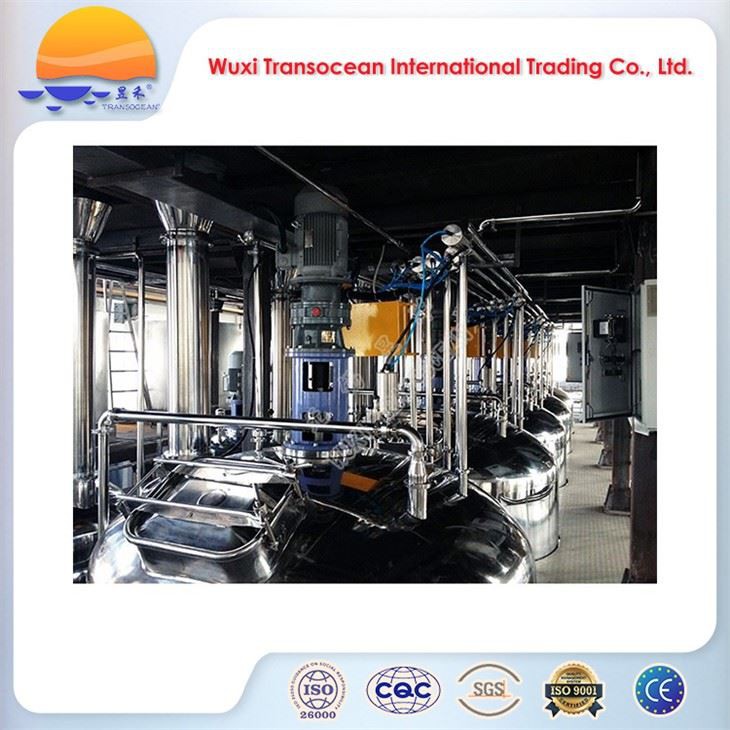
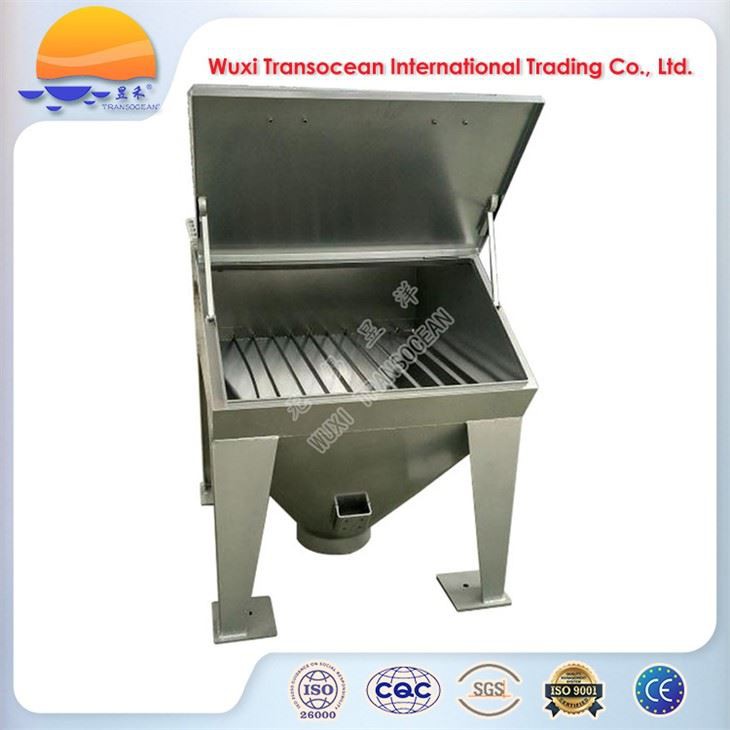
If you're in the market for a Dosing System for Liquids for high - altitude use or need to upgrade your existing system, I'm here to help. I can provide you with the right equipment and advice on the necessary adjustments. And if you're also interested in Dosing System for Powders, I've got options for that too.
Don't hesitate to reach out if you have any questions or want to discuss your specific requirements. Whether you're in the mining industry, water treatment, or any other field that uses dosing systems, I can offer solutions tailored to your needs. Let's work together to ensure your dosing system performs flawlessly in high - altitude areas.
References
- "Handbook of Chemical Engineering" - Covers general principles of fluid behavior and pump operation.
- "High - Altitude Engineering Guidelines" - Specific information on engineering systems for high - altitude environments.
- Manufacturer's manuals for dosing pumps and related components.


