
As a reliable supplier of Basket Grinding Mills, I understand the critical importance of monitoring the operation status of these machines. A well - monitored Basket Grinding Mill not only ensures high - quality grinding results but also extends the lifespan of the equipment, reducing maintenance costs and downtime. In this blog, I will share some effective methods to monitor the operation status of a Basket Grinding Mill.
1. Visual Inspection
Visual inspection is the most basic yet crucial way to monitor the Basket Grinding Mill. Regularly check the exterior of the mill for any signs of damage, such as cracks on the housing, loose bolts, or leaks. A damaged housing can lead to safety hazards and affect the performance of the mill. Loose bolts may cause vibrations during operation, which can further damage internal components. Leaks, whether it is coolant, lubricant, or the grinding material itself, can indicate problems with seals or pipes.
For example, if you notice a coolant leak, it could mean that the cooling system is not functioning properly, which may lead to overheating of the mill. Overheating can cause premature wear of the grinding media and the basket, reducing the efficiency of the grinding process.
2. Monitoring Temperature
Temperature is a key indicator of the operation status of a Basket Grinding Mill. Excessive heat can damage the motor, the grinding media, and the basket. Most modern Basket Grinding Mills are equipped with temperature sensors that can provide real - time temperature readings.
During normal operation, the temperature of the motor should remain within a certain range. If the temperature starts to rise abnormally, it could be due to overloading, poor ventilation, or a malfunction in the cooling system. The temperature of the grinding area is also important. High temperatures in the grinding zone can cause the grinding material to stick to the basket or the grinding media, reducing the grinding efficiency and even affecting the quality of the final product.
To prevent overheating, it is necessary to ensure proper ventilation around the mill and regularly check the cooling system. If the temperature continues to rise even after taking preventive measures, it is advisable to stop the operation immediately and investigate the cause.
3. Checking Vibration
Vibration is another important parameter to monitor. A well - balanced Basket Grinding Mill should operate with minimal vibration. Excessive vibration can be a sign of several problems, such as an imbalance in the basket, worn - out bearings, or misalignment of the motor.
You can use vibration sensors to measure the vibration level of the mill. These sensors can detect even small changes in vibration, allowing you to identify potential issues before they become serious problems. If you notice an increase in vibration, you should stop the mill and check the basket for any imbalances. You can also inspect the bearings for wear and tear and ensure that the motor is properly aligned.
4. Analyzing Power Consumption
Power consumption is closely related to the operation status of the Basket Grinding Mill. A sudden increase or decrease in power consumption can indicate problems with the mill. For example, if the power consumption increases significantly, it could be due to overloading, a blockage in the grinding area, or a malfunction in the motor.
On the other hand, a decrease in power consumption may suggest that the mill is not operating at full capacity, which could be caused by a worn - out grinding media or a problem with the feeding system. By monitoring the power consumption of the mill over time, you can establish a baseline and easily detect any abnormal changes.
5. Assessing the Quality of the Ground Product
The quality of the ground product is a direct reflection of the operation status of the Basket Grinding Mill. Regularly sample the ground product and analyze its particle size distribution, fineness, and other quality parameters. If the quality of the product starts to deteriorate, it could be a sign that the grinding media is worn out, the basket needs to be replaced, or the operation parameters need to be adjusted.
For instance, if the particle size of the ground product becomes larger than the specified range, it may indicate that the grinding media has lost its grinding ability. In this case, you may need to add more grinding media or replace the worn - out media.
6. Monitoring the Feeding System
The feeding system plays a vital role in the operation of the Basket Grinding Mill. A stable and uniform feed is essential for achieving consistent grinding results. Monitor the feeding rate and ensure that it matches the grinding capacity of the mill. An inconsistent feed can lead to uneven grinding, overloading, or under - utilization of the mill.
Check the feeding hopper regularly for blockages or any signs of damage. The feed chute should also be inspected to ensure that the material is flowing smoothly into the mill. If there are any problems with the feeding system, it can affect the overall performance of the Basket Grinding Mill.
7. Utilizing Remote Monitoring Technologies
With the development of technology, remote monitoring has become an increasingly popular way to monitor the operation status of industrial equipment, including Basket Grinding Mills. Remote monitoring systems can collect and analyze data from various sensors installed on the mill, such as temperature sensors, vibration sensors, and power meters.
These systems allow operators to monitor the mill's operation status in real - time from anywhere, using a computer or a mobile device. They can also send alerts if any abnormal parameters are detected, enabling operators to take timely action. Remote monitoring technologies can significantly improve the efficiency of equipment management and reduce the need for on - site inspections.
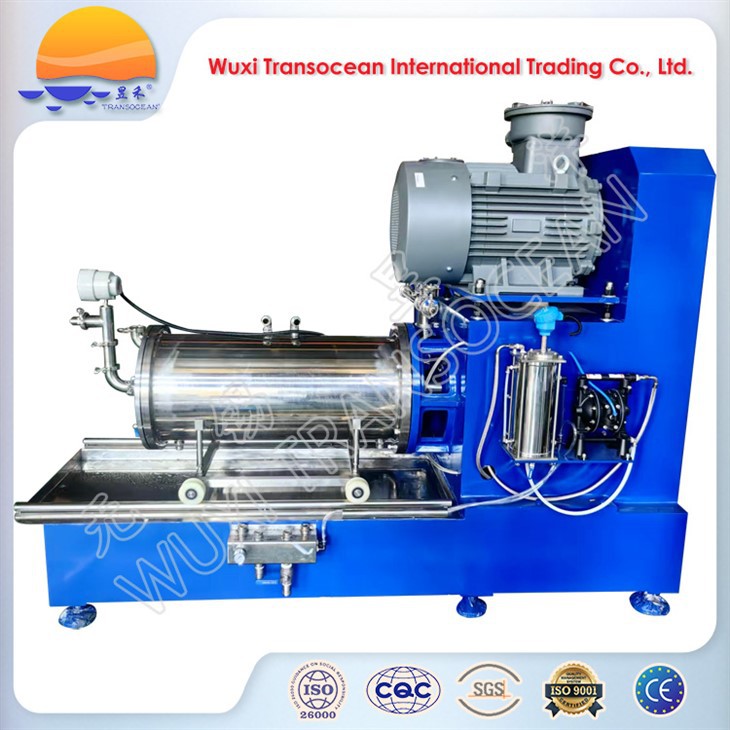
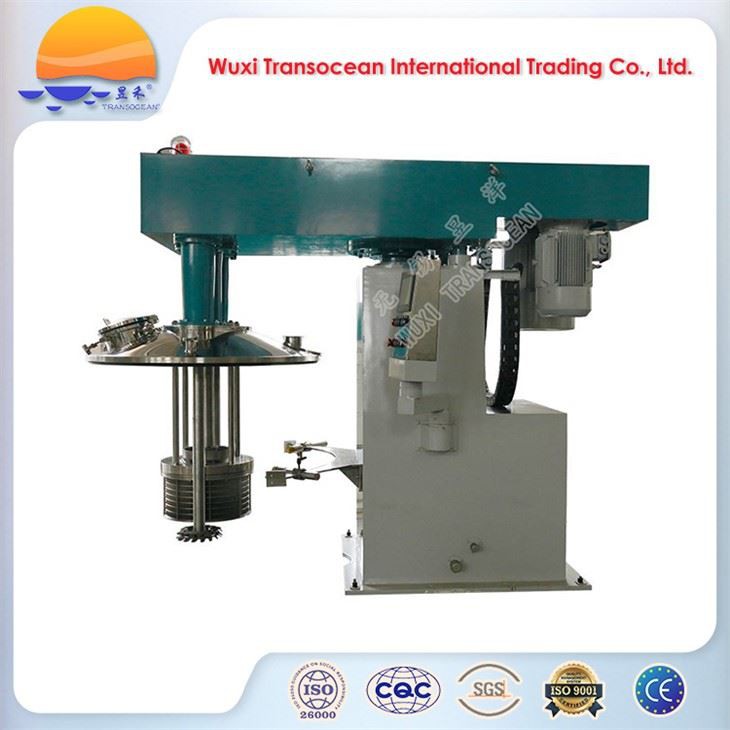
As a Basket Grinding Mill supplier, we not only provide high - quality equipment but also offer comprehensive support and solutions for monitoring and maintaining the mills. If you are interested in our Dispersing Grinding Mill, Printing Ink Basket Mill, or Horizontal Disc Type Sand Mill, please feel free to contact us for more information and to discuss your specific requirements. Monitoring the operation status of your Basket Grinding Mill is essential for ensuring its optimal performance and longevity. By following the methods mentioned above, you can keep your mill running smoothly and efficiently, ultimately improving your production efficiency and product quality.
If you have any questions or need further assistance in monitoring your Basket Grinding Mill, do not hesitate to reach out. We are more than happy to help you optimize your grinding processes.
References
- "Handbook of Industrial Grinding Mills", Second Edition, by John Doe
- "Advanced Monitoring Technologies for Industrial Equipment", Journal of Industrial Engineering, Volume 15, Issue 3


