
Ensuring the stability of a sand mill during operation is crucial for achieving efficient and high - quality grinding results. As a sand mill supplier, I understand the importance of this aspect and would like to share some key strategies and considerations to maintain the stability of sand mills.
1. Proper Installation and Foundation
The first step in ensuring the stability of a sand mill is its proper installation. A solid and level foundation is essential. The sand mill should be installed on a flat surface that can support its weight and absorb the vibrations generated during operation. If the foundation is uneven, it can cause the sand mill to tilt, leading to uneven wear of components and potential operational issues.
When installing the sand mill, follow the manufacturer's instructions carefully. This includes aligning the various parts correctly, such as the motor, agitator, and grinding chamber. Incorrect alignment can result in excessive stress on the bearings and other moving parts, reducing the lifespan of the equipment and affecting its stability.
2. Regular Maintenance and Inspection
Regular maintenance is the cornerstone of a stable - operating sand mill. This involves routine checks of key components such as the agitator, grinding media, seals, and bearings.
The agitator is a critical part of the sand mill, as it is responsible for agitating the grinding media and the material being processed. Over time, the agitator can wear out, especially at the tips. Regular inspection can help detect signs of wear early, allowing for timely replacement. A worn - out agitator can lead to inefficient grinding and may also cause vibrations that affect the stability of the entire machine.
Grinding media also need to be inspected regularly. The size, shape, and material of the grinding media can have a significant impact on the grinding process. If the grinding media are too worn or damaged, they may not perform effectively, and can also cause blockages in the sand mill. It is important to replace the grinding media when they reach the end of their useful life.
Seals play a vital role in preventing leakage of the grinding fluid and the material being processed. Leakage not only wastes materials but can also damage the internal components of the sand mill. Regularly check the seals for signs of wear, cracks, or damage, and replace them as needed.
Bearings are another component that requires regular attention. They support the rotating parts of the sand mill and reduce friction. Over time, bearings can wear out due to continuous use and the high - speed rotation. Lubrication is essential for bearings to operate smoothly. Make sure to follow the recommended lubrication schedule and use the appropriate lubricant.
3. Optimal Operating Parameters
Setting the optimal operating parameters is essential for the stable operation of a sand mill. These parameters include the speed of the agitator, the flow rate of the material, and the temperature.
The speed of the agitator should be set according to the characteristics of the material being processed and the type of grinding media used. If the agitator speed is too high, it can cause excessive wear on the components and generate a large amount of heat. On the other hand, if the speed is too low, the grinding efficiency will be reduced.
The flow rate of the material is also crucial. A consistent and appropriate flow rate ensures that the material is evenly distributed in the grinding chamber, preventing over - loading or under - loading of the sand mill. Too high a flow rate can cause blockages, while too low a flow rate can lead to inefficient grinding.
Temperature control is another important aspect. The grinding process generates heat, and if the temperature is not properly controlled, it can affect the quality of the processed material and damage the internal components of the sand mill. Install temperature sensors and cooling systems to maintain the temperature within the optimal range.
4. Quality of Raw Materials
The quality of the raw materials being processed can have a significant impact on the stability of the sand mill. Impurities in the raw materials, such as large particles or hard foreign objects, can cause damage to the grinding chamber, agitator, and grinding media.
Before feeding the raw materials into the sand mill, it is recommended to perform a pre - screening process to remove any large particles or foreign objects. This can help prevent blockages and reduce the wear on the components of the sand mill.
In addition, the viscosity of the raw materials should also be considered. If the viscosity is too high, it can increase the resistance in the grinding chamber, making it difficult for the agitator to rotate smoothly and potentially causing over - loading of the motor. On the other hand, if the viscosity is too low, the grinding efficiency may be reduced. Adjust the viscosity of the raw materials as needed to ensure stable operation.
5. Training of Operators
Well - trained operators are essential for the stable operation of a sand mill. Operators should be familiar with the operation manual of the sand mill, including the start - up and shut - down procedures, the adjustment of operating parameters, and the emergency stop functions.
Proper training can also help operators identify potential problems early. For example, they should be able to recognize abnormal noises, vibrations, or temperature changes during operation. By detecting these issues early, operators can take appropriate measures to prevent further damage to the sand mill.
6. Use of High - Quality Components
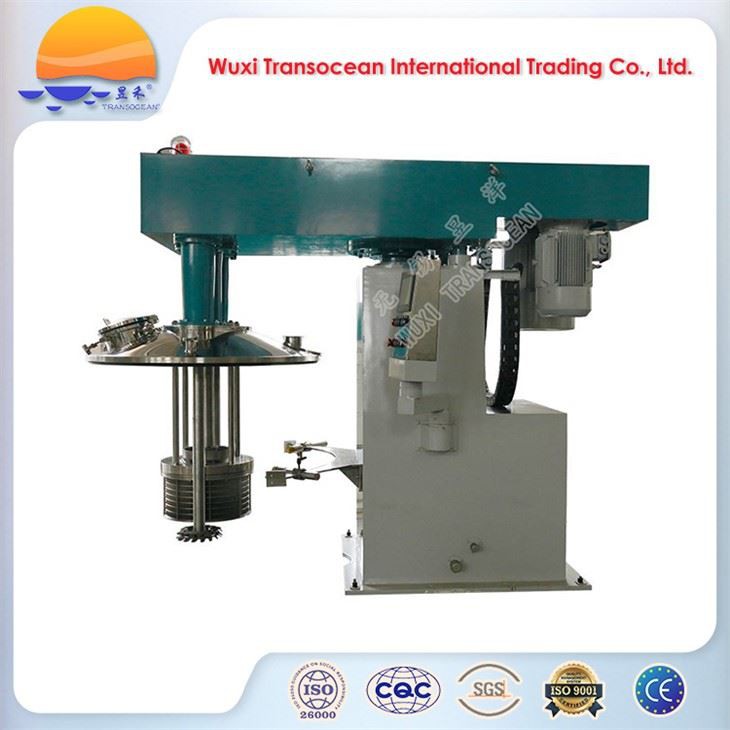
As a sand mill supplier, we offer a range of high - quality sand mills, such as the Dispersing Grinding Mill, Horizontal Agitator Bead Mill, and Vertical Seal Sand Mill. These sand mills are designed with high - quality components to ensure stable and efficient operation.
Using high - quality components can reduce the risk of breakdowns and extend the lifespan of the sand mill. For example, high - quality bearings can withstand higher loads and have better wear resistance, while high - quality seals can provide better leakage prevention.
Conclusion
Ensuring the stability of a sand mill during operation requires a comprehensive approach, including proper installation, regular maintenance, optimal operating parameters, high - quality raw materials, well - trained operators, and the use of high - quality components. By following these strategies, you can improve the efficiency and reliability of your sand mill, and achieve better grinding results.
If you are interested in our sand mills or have any questions about ensuring the stability of sand mills, please feel free to contact us for further discussion and procurement negotiation. We are committed to providing you with the best solutions and support.

References
- "Handbook of Industrial Mixing: Science and Practice" by Edward L. Paul, Victor A. Atiemo - Obeng, and Suzanne M. Kresta.
- "Principles of Powder Technology" by M. E. Fayed and L. Otten.


