
A water treatment dosing system is a crucial component in various industries, including municipal water treatment plants, industrial manufacturing, and even in some residential settings. As a dosing system supplier, I've witnessed firsthand the importance of these systems in ensuring the quality and safety of water. In this blog, I'll explain how a water treatment dosing system works, the different types available, and why they are essential.
The Basics of a Water Treatment Dosing System
At its core, a water treatment dosing system is designed to add precise amounts of chemicals to water. These chemicals can serve various purposes, such as disinfecting the water, adjusting its pH level, removing impurities, or preventing the growth of algae and bacteria. The key to an effective dosing system is accuracy and consistency. If too little of a chemical is added, the treatment may be ineffective. Conversely, adding too much can lead to over - treatment, which can be harmful to the environment and costly.
The basic components of a water treatment dosing system typically include a storage tank for the chemical, a dosing pump, a control system, and sometimes a mixing chamber. The storage tank holds the chemical solution, which can be a liquid or a powder. The dosing pump is responsible for transferring the chemical from the storage tank into the water system at the desired rate. The control system monitors and regulates the dosing process, ensuring that the correct amount of chemical is added at the right time.
How the Dosing Process Works
The dosing process begins with the storage of the chemical. For Dosing System for Liquids, the liquid chemical is stored in a tank. The tank is usually made of a material that is resistant to the chemical it holds, such as polyethylene or stainless steel. For Dosing System for Powders, the powder is stored in a hopper or a silo.
The dosing pump is the heart of the system. There are several types of dosing pumps, including diaphragm pumps, piston pumps, and peristaltic pumps. Diaphragm pumps use a flexible diaphragm to move the chemical. As the diaphragm moves back and forth, it creates a vacuum that draws the chemical into the pump and then pushes it out into the water system. Piston pumps work in a similar way, but instead of a diaphragm, they use a piston to move the chemical. Peristaltic pumps use a rotating roller to compress a flexible tube, which moves the chemical through the tube and into the water.
The control system plays a vital role in the dosing process. It can be a simple timer - based system that activates the dosing pump at regular intervals, or it can be a more sophisticated system that uses sensors to monitor the water quality and adjust the dosing rate accordingly. For example, if a sensor detects a high level of bacteria in the water, the control system can increase the dosing rate of a disinfectant chemical.
Types of Chemicals Used in Water Treatment Dosing Systems
There are many different types of chemicals used in water treatment dosing systems, each with its own specific function.
- Disinfectants: Chlorine, chlorine dioxide, and ozone are commonly used disinfectants. They kill bacteria, viruses, and other harmful microorganisms in the water. Chlorine is the most widely used disinfectant due to its effectiveness and low cost. It can be added to the water in the form of liquid chlorine, sodium hypochlorite, or calcium hypochlorite.
- pH Adjusters: Acids and bases are used to adjust the pH level of the water. If the water is too acidic, a base such as sodium hydroxide can be added to raise the pH. If the water is too alkaline, an acid such as sulfuric acid can be used to lower the pH. Maintaining the correct pH level is important for the effectiveness of other water treatment processes and for preventing corrosion in pipes and equipment.
- Coagulants and Flocculants: These chemicals are used to remove suspended solids from the water. Coagulants, such as aluminum sulfate or ferric chloride, neutralize the electrical charges on the suspended particles, causing them to clump together. Flocculants, such as polyacrylamide, then help these clumps to form larger, heavier particles that can settle out of the water more easily.
- Scale and Corrosion Inhibitors: These chemicals prevent the formation of scale (mineral deposits) and corrosion in pipes and equipment. They work by forming a protective layer on the surfaces of the pipes and equipment, preventing the minerals in the water from adhering to them.
Applications of Water Treatment Dosing Systems
Water treatment dosing systems are used in a wide range of applications:
- Municipal Water Treatment Plants: These plants use dosing systems to treat the water supply for entire communities. They add disinfectants, pH adjusters, and other chemicals to ensure that the water is safe to drink and meets the required quality standards.
- Industrial Manufacturing: Many industries, such as food and beverage, pharmaceuticals, and power generation, require high - quality water for their processes. Dosing systems are used to treat the water to remove impurities, adjust the pH, and prevent the growth of bacteria and algae.
- Swimming Pools and Spas: Dosing systems are used to maintain the chemical balance in swimming pools and spas. They add disinfectants, pH adjusters, and algaecides to keep the water clean and safe for swimming.
- Residential Water Treatment: Some homeowners use dosing systems to treat their well water or to improve the quality of their tap water. These systems can be used to add chemicals such as chlorine or iron removers to the water.
Why Choose Our Dosing Systems
As a dosing system supplier, we offer several advantages. Our dosing systems are designed with the latest technology to ensure high accuracy and reliability. We use high - quality materials in the construction of our systems, which means they are durable and long - lasting. Our control systems are user - friendly and can be easily customized to meet the specific needs of our customers.

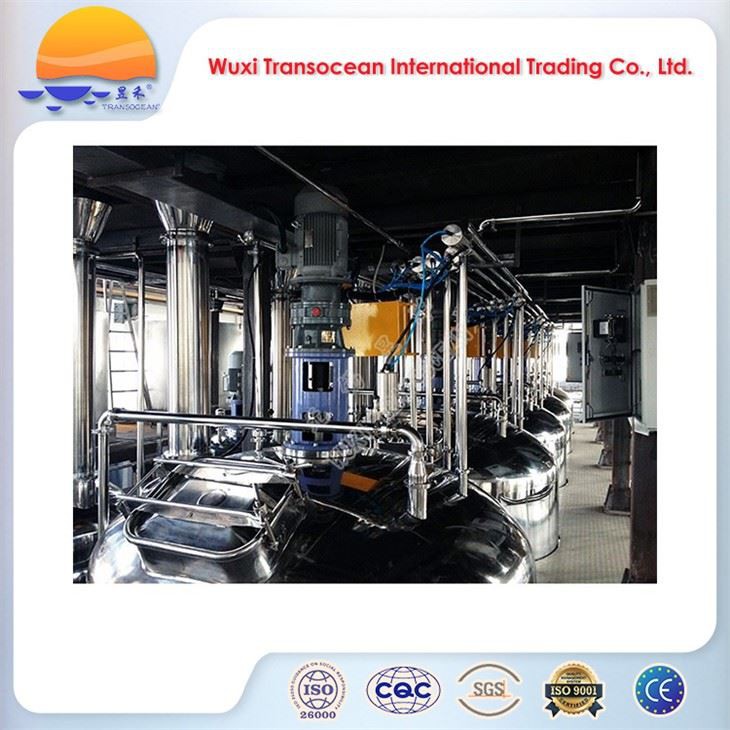
We also provide excellent customer support. Our team of experts is available to assist with the installation, maintenance, and troubleshooting of our dosing systems. We understand that every customer's water treatment needs are unique, and we work closely with them to develop the best solution for their situation.
Contact Us for Your Dosing System Needs
If you're in the market for a water treatment dosing system, whether it's for a large - scale industrial application or a small - scale residential use, we'd love to hear from you. Our team of experts can help you choose the right dosing system for your needs and provide you with a competitive quote. Contact us today to start the conversation about improving your water treatment process.
References
- AWWA (American Water Works Association). "Water Treatment Plant Design." McGraw - Hill Professional, 2019.
- Metcalf & Eddy. "Wastewater Engineering: Treatment and Resource Recovery." McGraw - Hill Education, 2014.
- Water Research Foundation. "Advanced Water Treatment Technologies." Water Research Foundation, 2017.


