
Hey there! I'm a supplier of chemical materials, and today I wanna chat about how chemical materials are recycled in the industry. It's a super important topic, not just for the environment but also for the long - term sustainability of our business.
First off, let's talk about why recycling chemical materials is such a big deal. In the chemical industry, raw materials can be pretty expensive, and extracting new ones often takes a toll on the environment. Recycling helps us cut down on costs and reduce our environmental footprint. It's a win - win situation!
One of the most common methods of recycling chemical materials is through physical separation. This involves using different physical properties of the materials, like density, size, or solubility, to separate them. For example, in a mixture of different polymers, we can use a process called flotation. In flotation, we add certain chemicals to the mixture, and depending on the surface properties of the polymers, some will float while others sink. This way, we can separate different types of polymers and recycle them separately.
Another popular method is chemical recycling. This is a bit more complex than physical separation. In chemical recycling, we break down the chemical materials into their basic components. For instance, some plastics can be depolymerized. Depolymerization is a process where we use heat, pressure, or certain catalysts to break the long - chain polymers back into their monomer units. These monomers can then be used to make new polymers, effectively recycling the plastic.
Now, let's take a look at some of the chemical materials I supply and how they can be recycled.
Organic Bentonite
Organic Bentonite is a type of clay that's widely used in various industries, such as the oil and gas industry, the construction industry, and the cosmetic industry. In the oil and gas industry, it's used as a drilling fluid additive. When it comes to recycling organic bentonite, one common approach is to regenerate it. After it's been used in drilling, the bentonite can be treated with certain chemicals to remove the contaminants. Then, it can be re - used in new drilling operations. This not only saves costs but also reduces the amount of waste going to landfills.
Road Marking Resin
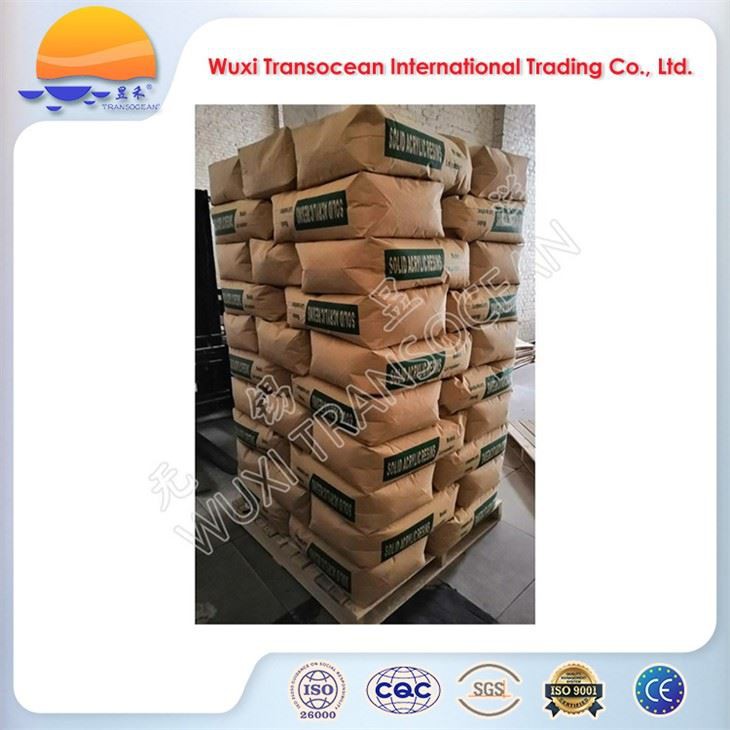
Road Marking Resin is essential for creating clear and durable road markings. Over time, road markings wear out and need to be replaced. Recycling road marking resin can be done through a process called solvent - based recycling. In this process, we use solvents to dissolve the used resin. Then, we can separate the resin from the other components, like pigments and fillers. The purified resin can then be used to make new road marking materials. This helps in reducing the demand for new resin production and also minimizes the environmental impact of road marking waste.
Hydrocarbon Resin C5 For Hot Melt Road Marking
Hydrocarbon Resin C5 For Hot Melt Road Marking is a key ingredient in hot - melt road marking materials. Recycling this resin is a bit tricky but doable. One way is through thermal cracking. In thermal cracking, we heat the used resin at high temperatures in the absence of oxygen. This breaks the resin into smaller hydrocarbon molecules. These molecules can then be further processed and used to make new hydrocarbon resins or other chemical products.
But recycling chemical materials isn't without its challenges. One of the main challenges is the complexity of the chemical mixtures. In many industrial processes, chemical materials are mixed with other substances, making it difficult to separate and recycle them. Also, the cost of recycling can sometimes be high. We need to invest in the right equipment and technology for recycling, and that can be a significant expense.
Another challenge is the lack of awareness. Many companies in the industry still don't fully understand the benefits of recycling chemical materials. They might be more focused on short - term costs and not see the long - term savings and environmental benefits.
However, there are also some solutions to these challenges. For the complexity of mixtures, we can develop more advanced separation technologies. Scientists and engineers are constantly working on new methods to separate complex chemical mixtures more efficiently. As for the cost, governments and industry associations can offer incentives for recycling. For example, they can provide tax breaks or subsidies for companies that invest in recycling technologies.
To increase awareness, we need to do more education and outreach. We can organize workshops and seminars to teach companies about the importance of recycling chemical materials. We can also share success stories of companies that have successfully implemented recycling programs.
In conclusion, recycling chemical materials in the industry is a complex but crucial process. It has the potential to save costs, reduce environmental impact, and ensure the long - term sustainability of our business. As a chemical materials supplier, I'm committed to promoting recycling. I believe that by working together, we can make the chemical industry more sustainable.
If you're interested in learning more about the chemical materials I supply or have any questions about recycling, I'd love to hear from you. Whether you're looking to purchase chemical materials or want to discuss recycling options, feel free to reach out. Let's work together to make a positive impact on the industry and the environment.

References
- Smith, J. (2020). Chemical Recycling: A Review. Journal of Chemical Industry, 15(2), 45 - 52.
- Johnson, A. (2021). Challenges and Solutions in Recycling Chemical Materials. Industrial Chemistry Magazine, 22(3), 67 - 73.
- Brown, R. (2019). Recycling of Road Marking Materials. Transportation Research Journal, 12(4), 89 - 96.


