
Can a Dosing System for Liquids be Used in Mobile Applications?
In recent years, the integration of technology and various industries has led to a surge in innovative applications. One area that has piqued my interest as a supplier of Dosing System for Liquids is the potential use of liquid dosing systems in mobile applications. This blog post delves into the feasibility, challenges, and opportunities presented by such an integration.
The Basics of Liquid Dosing Systems
Before we explore their use in mobile applications, it's essential to understand what liquid dosing systems are. A liquid dosing system is a device or set of devices designed to accurately measure and dispense a specific quantity of liquid. These systems are widely used in industries such as pharmaceuticals, food and beverage, cosmetics, and chemical manufacturing to ensure precise dosage and consistent product quality.
The components of a typical liquid dosing system include a reservoir for holding the liquid, a pump or metering device to control the flow, and a dispenser or outlet for delivering the liquid. Advanced systems may also incorporate sensors and control units to monitor and adjust the dosing process in real - time.
Potential Applications in Mobile Settings
- Medical and Healthcare
- In the medical field, mobile devices integrated with liquid dosing systems could have numerous applications. For example, diabetic patients could benefit from a mobile insulin dosing device. This device could be small, portable, and connected to a smartphone application. The app could analyze the patient's blood glucose levels, diet, and activity data, and then instruct the dosing system to administer the appropriate amount of insulin.
- Another potential use is in the administration of oral medications. A mobile dosing system could ensure that patients, especially those with complex medication regimens, take the correct dosage at the right time. This could improve patient compliance and reduce the risk of medication errors.
- Personal Care and Cosmetics
- Mobile liquid dosing systems could revolutionize the personal care industry. Consider a mobile beauty device that can dispense the right amount of skincare products, such as serums or moisturizers, based on the user's skin type, current skin condition, and environmental factors. This could provide a more personalized and efficient skincare experience.
- For fragrance applications, a mobile dosing system could allow users to create their own custom - blended perfumes on the go. The system could hold different fragrance bases and accurately mix them in the desired proportions.
- Food and Beverage
- In the food and beverage industry, mobile liquid dosing systems could be used in food trucks or mobile catering services. For example, a coffee truck could use a dosing system to precisely dispense the right amount of milk, syrup, and espresso for each cup of coffee, ensuring consistency in every serving.
- These systems could also be used for home bar enthusiasts. A mobile cocktail - making device with a liquid dosing system could help users create professional - quality cocktails with accurate ingredient measurements, even when they are on the move.
Challenges of Using Liquid Dosing Systems in Mobile Applications
- Size and Portability
- One of the most significant challenges is reducing the size of liquid dosing systems while maintaining their accuracy and functionality. Mobile applications require compact and lightweight devices that are easy to carry. Traditional dosing systems are often large and bulky, designed for industrial or stationary use. Developing miniaturized components, such as pumps and sensors, without sacrificing performance is a complex engineering challenge.
- Power Consumption
- Mobile devices rely on limited power sources, typically batteries. Liquid dosing systems, especially those with active components like pumps and sensors, consume energy. Designing a dosing system that can operate efficiently on a low - power supply is crucial. This may involve using energy - efficient components, optimizing the dosing process to reduce power consumption, and implementing power - saving modes.
- Accuracy and Reliability
- In applications where precise dosing is critical, such as medical and pharmaceutical uses, maintaining accuracy and reliability is of utmost importance. The mobile environment can introduce additional factors that may affect the performance of the dosing system, such as vibrations, temperature variations, and changes in orientation. Ensuring that the system can consistently deliver the correct dosage under these conditions requires advanced engineering and calibration techniques.
- Cost
- Developing and manufacturing mobile - friendly liquid dosing systems can be expensive. The cost of miniaturized components, research and development for new technologies, and quality control measures all contribute to the overall cost. Making these systems affordable for consumers and businesses is essential for widespread adoption.
Opportunities and Solutions
- Technological Advancements
- The rapid pace of technological advancements offers solutions to many of the challenges mentioned above. For example, the development of micro - electromechanical systems (MEMS) has enabled the creation of tiny pumps and sensors that are suitable for mobile applications. These MEMS - based components are not only small but also consume less power.
- In addition, advancements in battery technology, such as the development of high - energy - density batteries and fast - charging capabilities, can help address the power consumption issue.
- Customization and Integration
- As a supplier of Dosing System for Liquids, we recognize the importance of customization. By working closely with customers, we can develop dosing systems that are specifically tailored to their mobile applications. This may involve integrating the dosing system with existing mobile devices or developing a standalone device that meets the specific requirements of the application.
- For example, in the medical field, we can collaborate with medical device manufacturers to integrate our dosing system into a smartphone - controlled insulin pen. This type of integration can enhance the functionality and usability of the device.
- Market Demand
- The growing demand for mobile and personalized solutions in various industries presents a significant opportunity for the adoption of liquid dosing systems in mobile applications. Consumers are increasingly looking for convenient and efficient ways to manage their health, beauty, and food and beverage needs. By offering innovative mobile - based dosing solutions, we can meet this market demand and drive the growth of our business.
Conclusion
In conclusion, while there are challenges associated with using liquid dosing systems in mobile applications, the potential benefits are substantial. The medical, personal care, and food and beverage industries stand to gain significantly from the integration of these systems into mobile devices. As a supplier of Dosing System for Liquids, we are committed to investing in research and development to overcome the technical hurdles and provide quality solutions that meet the needs of our customers.

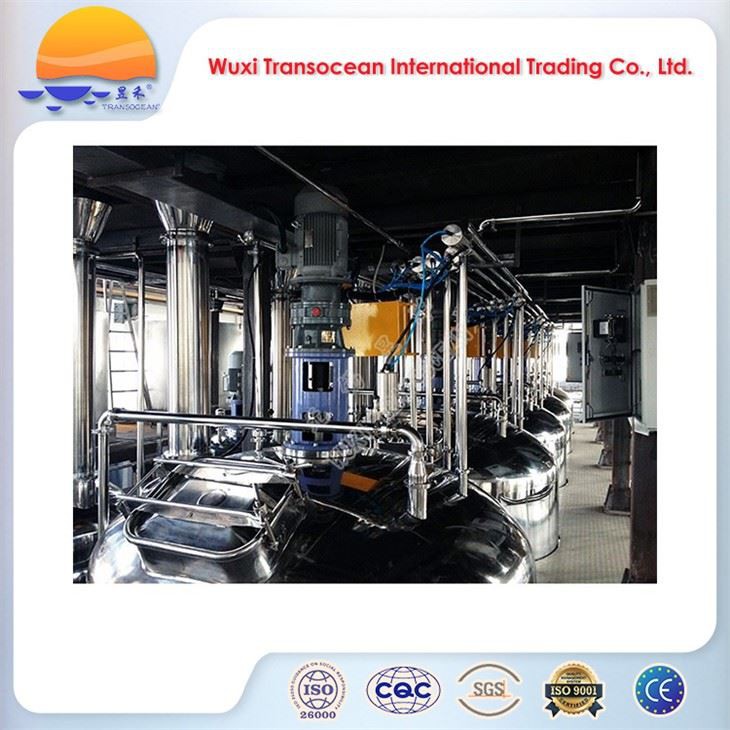
If you are interested in exploring the use of liquid dosing systems in your mobile applications or have any questions about our products, we encourage you to contact us for a detailed discussion. Our team of experts is ready to assist you in finding the best dosing system solution for your specific requirements.
In addition to our liquid dosing systems, we also offer Dosing System for Powders for applications where powder dosing is required.
References
- J. Smith, "Miniaturized Fluid Systems for Biomedical and Chemical Applications", Springer, 2018.
- M. Johnson, "Technological Trends in Mobile Medical Devices", IEEE Journal of Technology and Healthcare, 2020.
- L. Brown, "The Future of Personalized Beauty Technology", Cosmetics and Toiletries Magazine, 2021.


