
Can a dosing system be used for aquaculture applications?
As a supplier of dosing systems, I often get asked whether our products can be effectively used in aquaculture applications. The answer is a resounding yes, and in this blog post, I'll delve into the details of how dosing systems can revolutionize the aquaculture industry.
The Importance of Precise Dosing in Aquaculture
Aquaculture, the farming of fish, shellfish, and aquatic plants, is a rapidly growing industry. With the increasing demand for seafood, aquaculture operations are becoming larger and more complex. Maintaining optimal water quality is crucial for the health and growth of aquatic organisms. This is where dosing systems come in.
Precise dosing of various chemicals and nutrients is essential in aquaculture. For example, water pH needs to be carefully regulated. If the pH is too high or too low, it can stress the fish and other aquatic life, making them more susceptible to diseases. Similarly, the levels of dissolved oxygen, ammonia, and nitrates need to be monitored and adjusted. A dosing system can accurately deliver the right amount of chemicals, such as pH buffers, oxygenating agents, and water conditioners, at the right time.
Types of Dosing Systems for Aquaculture
There are two main types of dosing systems that are highly relevant to aquaculture: Dosing System for Liquids and Dosing System for Powders.
Dosing System for Liquids
Liquid dosing systems are commonly used in aquaculture for adding liquid chemicals such as disinfectants, fertilizers, and trace element solutions. These systems can be designed to deliver a continuous or intermittent flow of liquid, depending on the specific requirements of the aquaculture setup.
One of the advantages of liquid dosing systems is their ease of use. They can be easily integrated with existing aquaculture equipment, such as water pumps and filtration systems. Additionally, liquid chemicals are often more readily available and easier to handle compared to powders.
For example, in a fish hatchery, a liquid dosing system can be used to add a disinfectant to the water to prevent the spread of diseases. The system can be programmed to add the disinfectant at a specific concentration and frequency, ensuring that the water remains clean and safe for the fish.

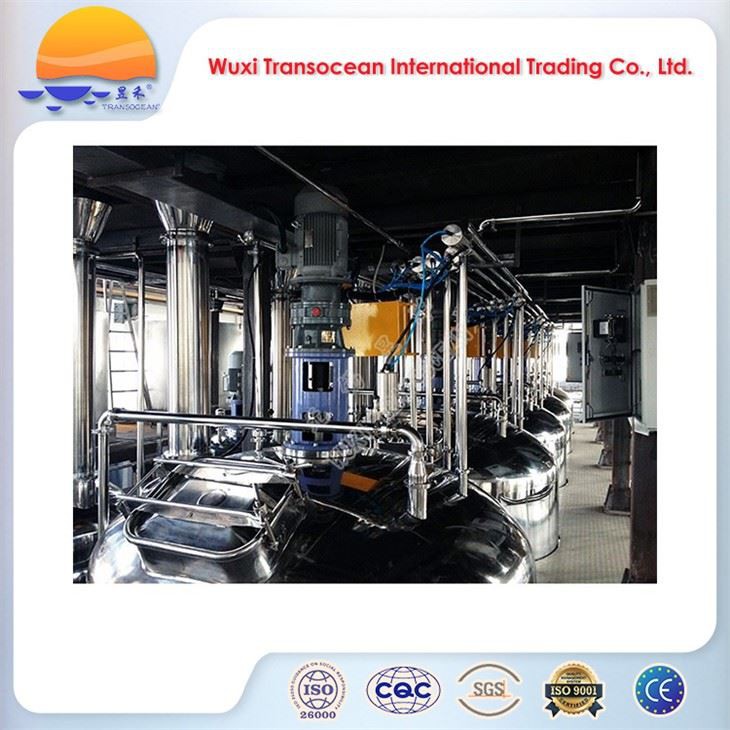
Dosing System for Powders
Powder dosing systems are suitable for adding powdered chemicals and nutrients, such as feed additives and calcium carbonate for pH adjustment. These systems are designed to accurately measure and dispense the powder into the water.
Powder dosing systems offer several benefits. They can provide a more precise dosage of powdered substances, which is important for maintaining the correct nutrient balance in the water. Moreover, some powdered chemicals may have a longer shelf - life compared to their liquid counterparts, making them a more cost - effective option in the long run.
In a shrimp farm, a powder dosing system can be used to add a specific blend of feed additives to the water. These additives can enhance the growth and health of the shrimp, leading to higher yields.
Advantages of Using Dosing Systems in Aquaculture
Improved Water Quality
By accurately dosing chemicals and nutrients, dosing systems help maintain stable water quality parameters. This reduces the stress on aquatic organisms, leading to better growth rates, lower mortality rates, and improved overall health. For instance, consistent pH levels prevent the formation of toxic ammonia compounds, which can be harmful to fish.
Increased Efficiency
Automated dosing systems eliminate the need for manual dosing, which can be time - consuming and prone to errors. With a dosing system, the dosing process is streamlined, allowing aquaculture operators to focus on other important aspects of their operations, such as feeding and disease prevention.
Cost Savings
Although there is an initial investment in purchasing a dosing system, it can lead to significant cost savings in the long term. Precise dosing ensures that only the necessary amount of chemicals and nutrients is used, reducing waste. Additionally, improved water quality and higher yields can result in increased profits for aquaculture businesses.
Challenges and Considerations
While dosing systems offer many benefits in aquaculture, there are also some challenges and considerations that need to be addressed.
Compatibility
It is important to ensure that the dosing system is compatible with the chemicals and nutrients being used. Some chemicals may react with the materials of the dosing system, leading to corrosion or reduced performance. Therefore, it is crucial to choose a dosing system that is made of suitable materials and has been tested with the specific chemicals used in aquaculture.
Maintenance
Regular maintenance is required to keep the dosing system in good working condition. This includes cleaning the dosing pumps, checking the calibration, and replacing any worn - out parts. Failure to perform proper maintenance can result in inaccurate dosing and system breakdowns.
Monitoring
Even with a dosing system in place, continuous monitoring of water quality is essential. Dosing systems are designed to operate based on pre - set parameters, but changes in the aquaculture environment, such as changes in water temperature or the introduction of new organisms, can affect the water quality. Therefore, regular water testing is necessary to ensure that the dosing system is functioning effectively.
Conclusion
In conclusion, dosing systems are a valuable tool for aquaculture applications. They offer precise dosing of chemicals and nutrients, leading to improved water quality, increased efficiency, and cost savings. Whether it is a Dosing System for Liquids or a Dosing System for Powders, these systems can be customized to meet the specific needs of different aquaculture operations.
If you are an aquaculture operator looking to enhance the performance of your operation, I encourage you to consider incorporating a dosing system into your setup. Our team of experts is ready to assist you in selecting the right dosing system for your needs. Contact us to start a discussion about how we can help you optimize your aquaculture processes and achieve better results.
References
- Boyd, C. E., & Tucker, C. S. (1998). Water quality in ponds for aquaculture. Kluwer Academic Publishers.
- Subasinghe, R. P., Phillips, M. J., & Belton, B. (Eds.). (2009). World aquaculture: current status and future trends. Wiley - Blackwell.
- Timmons, M. B., & Ebeling, J. M. (2013). Recirculating aquaculture systems. CABI.


