
Can a Dosing System be Automated?
In the realm of industrial manufacturing and process control, dosing systems play a pivotal role. As a dosing system supplier, I've witnessed firsthand the evolution of these systems and the growing interest in automation. This blog post aims to explore the question: Can a dosing system be automated?
Understanding Dosing Systems
Before delving into automation, let's first understand what dosing systems are. Dosing systems are used to accurately measure and dispense a specific quantity of a substance, whether it's a powder or a liquid, into a process. These systems are crucial in various industries, including pharmaceuticals, food and beverage, chemical manufacturing, and water treatment.
For powder substances, a Dosing System for Powders is designed to handle the unique challenges of powder flow and measurement. Powders can be difficult to meter accurately due to their tendency to clump, bridge, or aerate. A well-designed powder dosing system must account for these factors to ensure precise and consistent dosing.
On the other hand, a Dosing System for Liquids is used to dispense liquids with high accuracy. Liquid dosing systems can range from simple syringe pumps for small-scale applications to large-scale metering pumps for industrial processes. The key to a successful liquid dosing system is the ability to control the flow rate and volume of the liquid being dispensed.
The Case for Automation
Automation in dosing systems offers several significant advantages. Firstly, it improves accuracy and repeatability. Manual dosing processes are prone to human error, which can lead to inconsistent dosing and product quality issues. Automated dosing systems, on the other hand, can be programmed to dispense precise amounts of substances every time, ensuring consistent product quality.
Secondly, automation increases efficiency. Automated dosing systems can operate continuously without the need for breaks or rest, which can significantly increase production rates. They can also be integrated with other process control systems, allowing for seamless operation and real-time monitoring.
Another advantage of automation is safety. In some industries, the substances being dosed can be hazardous to human health. Automated dosing systems can eliminate the need for direct human contact with these substances, reducing the risk of exposure and potential health problems.
How Automation Works in Dosing Systems
Automating a dosing system involves several key components. At the heart of the system is a controller, which can be a programmable logic controller (PLC) or a dedicated dosing controller. The controller is responsible for receiving input signals from sensors, processing the data, and sending output signals to the dosing equipment.
Sensors play a crucial role in automated dosing systems. They are used to measure various parameters, such as the level of the substance in the storage tank, the flow rate of the substance being dispensed, and the pressure in the system. These sensors provide real-time data to the controller, allowing it to make adjustments to the dosing process as needed.
The dosing equipment itself is also an important part of the automated system. This can include pumps, valves, and feeders, depending on the type of substance being dosed. The controller sends signals to the dosing equipment to control the flow rate and volume of the substance being dispensed.
Challenges in Automating Dosing Systems
While the benefits of automation are clear, there are also some challenges associated with automating dosing systems. One of the main challenges is the complexity of the system. Automated dosing systems require a high level of technical expertise to design, install, and maintain. This can be a barrier for some companies, especially small and medium-sized enterprises.
Another challenge is the cost. Automated dosing systems can be more expensive than manual systems, due to the cost of the controller, sensors, and other components. However, it's important to consider the long-term benefits of automation, such as increased efficiency and product quality, which can offset the initial investment.

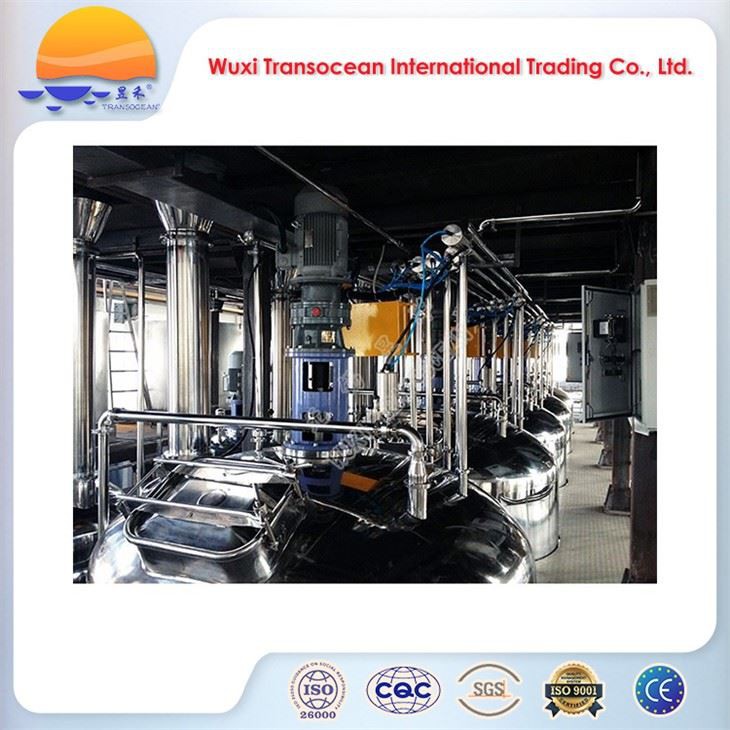
Compatibility with existing systems can also be a challenge. In some cases, companies may already have existing dosing systems in place, and integrating a new automated system can be difficult. This requires careful planning and coordination to ensure that the new system can work seamlessly with the existing infrastructure.
Overcoming the Challenges
To overcome the challenges associated with automating dosing systems, it's important to work with a experienced dosing system supplier. A reputable supplier can provide technical expertise and support throughout the entire process, from system design to installation and maintenance.
When it comes to cost, it's important to conduct a cost-benefit analysis to determine the return on investment of an automated dosing system. In many cases, the long-term benefits of automation, such as increased efficiency and product quality, can outweigh the initial investment.
To address the issue of compatibility, a supplier can work with the company to assess the existing infrastructure and develop a customized solution that meets the specific needs of the company. This may involve retrofitting the existing system or integrating the new automated system with the existing one.
Conclusion
In conclusion, a dosing system can indeed be automated, and the benefits of automation are significant. Automated dosing systems offer improved accuracy, efficiency, and safety, which can lead to increased product quality and profitability. While there are some challenges associated with automation, these can be overcome with the right expertise and support.
If you're considering automating your dosing system, I encourage you to contact us. As a dosing system supplier, we have the experience and expertise to help you design, install, and maintain an automated dosing system that meets your specific needs. Our team of experts can work with you to conduct a cost-benefit analysis, assess your existing infrastructure, and develop a customized solution that fits your budget and requirements.
Don't miss out on the opportunity to take your dosing process to the next level with automation. Contact us today to start the conversation about how we can help you achieve your goals.
References
- Smith, J. (2018). Automation in Industrial Processes. New York: Industrial Press.
- Jones, A. (2019). Dosing Systems: Design and Operation. London: Chemical Engineering Press.
- Brown, C. (2020). Sensor Technology in Automated Systems. Berlin: Sensor Press.


